Watermelon Rind
What is Watermelon Rind?
Watermelon rind is the firm, white, outer layer of a watermelon, between the green skin and the red flesh. It is often pickled or candied to be eaten as a relish, preserve, or even a sweet treat. The rind is typically cooked with sugar and spices to make it palatable.
Is Watermelon Rind vegan?
Watermelon Rind is not animal-derived. Products that contain it can still include other animal-derived ingredients, so check the full ingredient list.
Is Watermelon Rind gluten-free?
It does not contain gluten.
Is Watermelon Rind a major allergen?
Watermelon rind is not derived from any of the nine FDA major allergens.
What is Watermelon Rind used for?
Watermelon rind is primarily used as a food ingredient for its texture and ability to absorb flavors.
Is Watermelon Rind safe?
Watermelon rind is generally recognized as safe (GRAS) by the FDA when used as a food ingredient.
Why it's used
Watermelon rind is primarily used as a food ingredient for its texture and ability to absorb flavors. It is commonly found in pickles, relishes, and jams, where its firm texture provides a pleasant bite. It can also be candied and used in baked goods or as a confectionery.
Health notes
Watermelon rind is generally recognized as safe (GRAS) by the FDA when used as a food ingredient. It is not typically associated with significant health concerns at the levels found in food. International bodies like JECFA have evaluated various food ingredients, but specific evaluations for watermelon rind are not widely publicized. Evidence does not suggest adverse effects from typical consumption.
Allergen info
Watermelon rind is not derived from any of the nine FDA major allergens. It does not contain gluten.
Foods that contain Watermelon Rind
Compare products →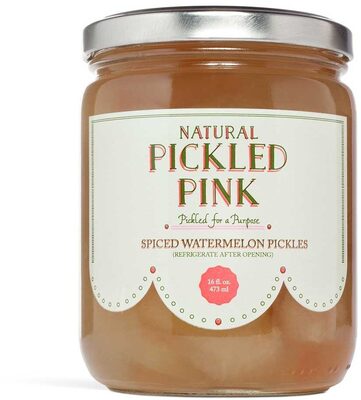


Auto-generated content. This description was generated automatically and is pending editorial review. Inaccuracies are possible. Found a mistake? Contact us.