Watermelon Seeds
Auto-generated content. This description was generated automatically and is pending editorial review. Inaccuracies are possible. Found a mistake? Contact us.
What it is
Watermelon seeds are the edible seeds from the fruit of the watermelon plant. They are typically small, oval, and can be black, white, or brown. After harvesting, the seeds are often roasted and salted for snacking or used in various food products.
Why it's used
Watermelon seeds are used as a nutritious snack, often roasted and salted. They can also be incorporated into energy bars, granola, and popcorn for added texture and protein. Some products use them in vinaigrettes or as a topping for salads.
Health notes
Watermelon seeds are generally recognized as safe (GRAS) by the FDA for consumption. They are a source of protein, magnesium, and healthy fats. International bodies like JECFA have evaluated watermelon seeds, but no specific numeric limits were set. Evidence on their health benefits is generally positive, with no major controversies.
Allergen info
Watermelon seeds are not derived from any of the nine FDA major allergens. They do not contain gluten.
Products containing Watermelon Seeds
Compare products →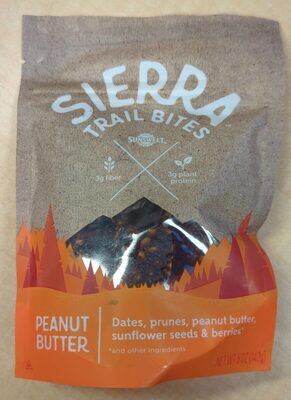 Sunsweet Growers, Inc.
Peanut Butter Trail Bites, Peanut Butter
433kcal
10Protein
23.3Fat
50Carbs
Sunsweet Growers, Inc.
Peanut Butter Trail Bites, Peanut Butter
433kcal
10Protein
23.3Fat
50Carbs
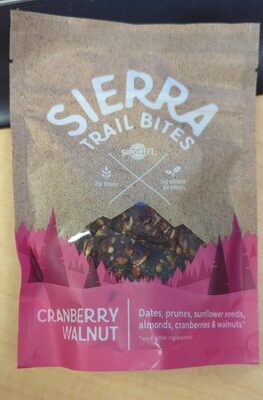 Sunsweet Growers, Inc.
Cranberry Walnut Trail Bites, Cranberry; Walnut
400kcal
10Protein
20Fat
53.3Carbs
IL NUTS INC.
Watermelon Seeds
516kcal
16.1Protein
25.8Fat
51.6Carbs
Sunsweet Growers, Inc.
Cranberry Walnut Trail Bites, Cranberry; Walnut
400kcal
10Protein
20Fat
53.3Carbs
IL NUTS INC.
Watermelon Seeds
516kcal
16.1Protein
25.8Fat
51.6Carbs
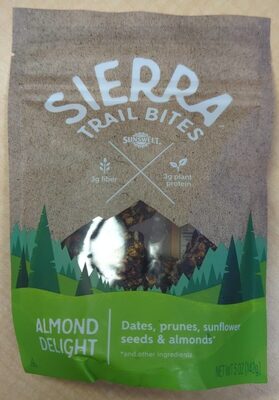 Sunsweet Growers, Inc.
Almond Delight Trail Bites, Almond
400kcal
10Protein
20Fat
50Carbs
Sunsweet Growers, Inc.
Almond Delight Trail Bites, Almond
400kcal
10Protein
20Fat
50Carbs