Wax
What is Wax?
Waxes are a diverse group of substances that are solid at room temperature but melt easily. They can be derived from natural sources like plants (e.g., carnauba wax from palm leaves) or animals (e.g., beeswax from bees), or they can be synthetically produced, often from petroleum. Natural waxes are typically purified before use in food.
Is Wax a major allergen?
Waxes are not typically derived from the major allergens.
What is Wax used for?
Waxes are used in food to provide a protective coating, which helps to retain moisture, prevent spoilage, and give products a glossy appearance.
Is Wax safe?
Many food-grade waxes are Generally Recognized As Safe (GRAS) by the FDA.
Why it's used
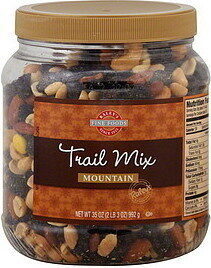
Waxes are used in food to provide a protective coating, which helps to retain moisture, prevent spoilage, and give products a glossy appearance. They can also be used to prevent sticking and to add texture. Common foods include fruits, vegetables, candies, baked goods, and snack items like popcorn and nuts.
Health notes
Many food-grade waxes are Generally Recognized As Safe (GRAS) by the FDA. Regulatory bodies like the Joint FAO/WHO Expert Committee on Food Additives (JECFA) and the European Food Safety Authority (EFSA) have evaluated various food waxes. At typical consumption levels, they are not associated with adverse health effects. Some plant-derived waxes contain fatty acids and esters, which are metabolized by the body.
Allergen info
Waxes are not typically derived from the major allergens. Beeswax is an animal product but not a major allergen. Not a major allergen.
Foods that contain Wax
Compare products →













Auto-generated content. This description was generated automatically and is pending editorial review. Inaccuracies are possible. Found a mistake? Contact us.