Wheat Grass
What is Wheat Grass?
Wheat grass is the young grass of the wheat plant, harvested when it is about 7–10 inches tall. It is typically grown indoors in trays or fields and then juiced or dried into a powder. It is a source of chlorophyll, vitamins, and minerals.
Is Wheat Grass vegan?
Wheat Grass is not animal-derived. Products that contain it can still include other animal-derived ingredients, so check the full ingredient list.
Is Wheat Grass gluten-free?
It contains gluten.
Is Wheat Grass a major allergen?
Wheat grass is derived from wheat, which is one of the 9 FDA major allergens.
What is Wheat Grass used for?
Wheat grass is often added to foods and beverages for its nutritional profile and vibrant green color.
Is Wheat Grass safe?
Wheat grass is generally recognized as safe (GRAS) by the FDA for use in food.
Why it's used
Wheat grass is often added to foods and beverages for its nutritional profile and vibrant green color. It is commonly found in smoothies, juices, protein powders, and energy bars. Manufacturers may use it to boost the perceived health benefits of a product.
Health notes
Wheat grass is generally recognized as safe (GRAS) by the FDA for use in food. It is a source of nutrients like vitamins A, C, and E, and minerals. While often promoted for various health benefits, scientific evidence supporting these claims is limited. JECFA has evaluated wheat grass and did not set a numeric limit (ADI not specified).
Allergen info
Wheat grass is derived from wheat, which is one of the 9 FDA major allergens. It contains gluten.
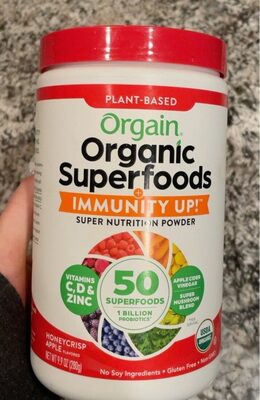
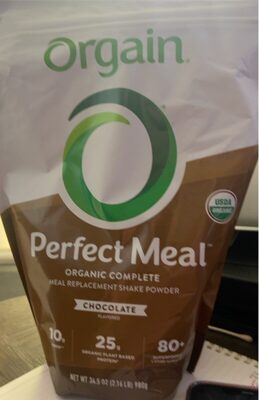
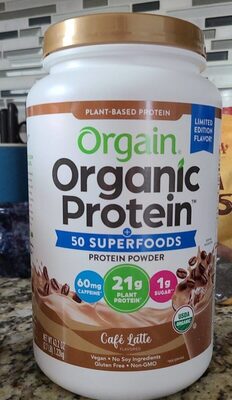
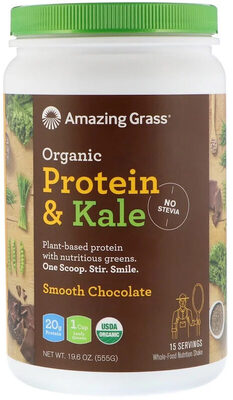
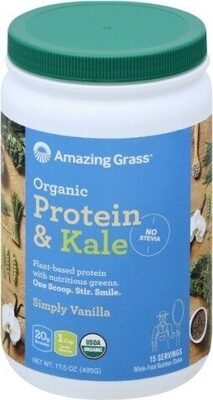
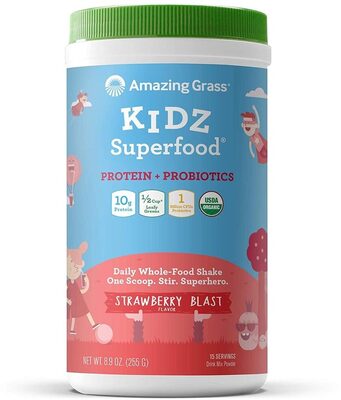
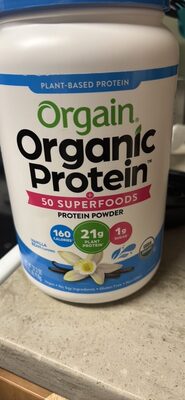
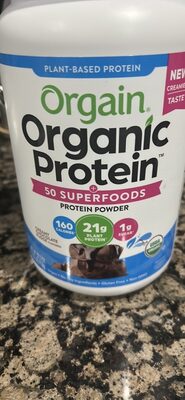
Foods that contain Wheat Grass
Compare products →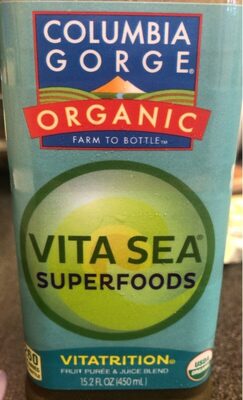
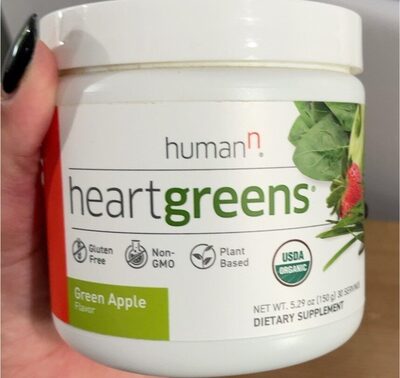
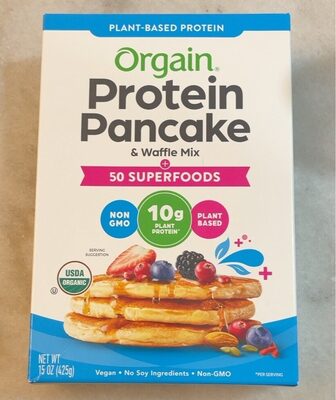
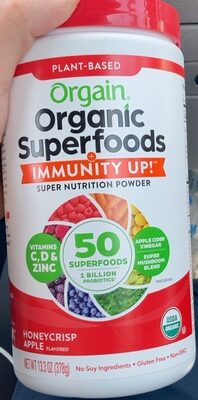
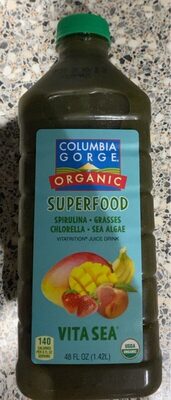
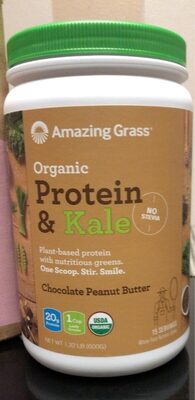
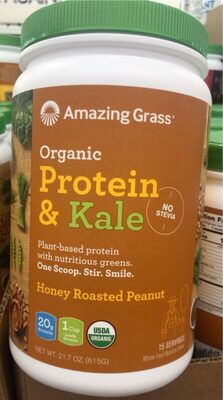
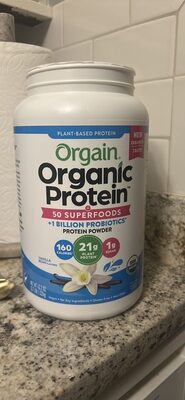
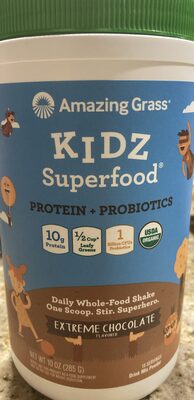
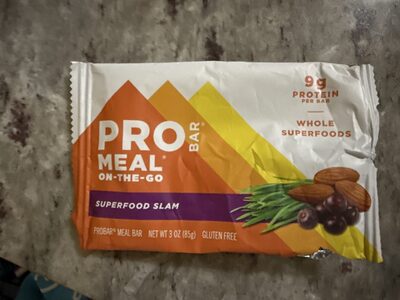
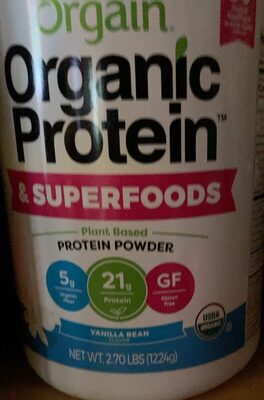
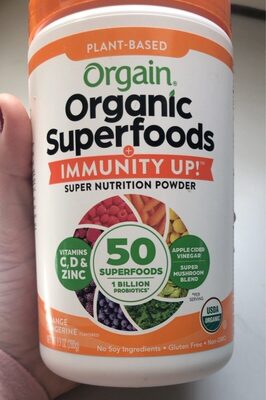
Learn more
Auto-generated content. This description was generated automatically and is pending editorial review. Inaccuracies are possible. Found a mistake? Contact us.