Wheat Square
What is Wheat Square?
Wheat squares are a type of snack cracker made from wheat flour. They are typically baked and often seasoned with various flavors. The shape is usually a small square, hence the name.
Is Wheat Square vegan?
Wheat Square is not animal-derived. Products that contain it can still include other animal-derived ingredients, so check the full ingredient list.
Is Wheat Square gluten-free?
Gluten is also present.
Is Wheat Square a major allergen?
Wheat is one of the 9 major allergens recognized by the FDA.
What is Wheat Square used for?
Manufacturers use wheat squares as a base for snack mixes and flavored crackers.
Is Wheat Square safe?
Wheat squares are a common food ingredient and are generally recognized as safe by the FDA when consumed as part of a balanced diet.
Why it's used
Manufacturers use wheat squares as a base for snack mixes and flavored crackers. They provide a crunchy texture and a neutral base for seasonings. They are commonly found in snack assortments, flavored crackers, and other snack food products.
Health notes
Wheat squares are a common food ingredient and are generally recognized as safe by the FDA when consumed as part of a balanced diet. They are a source of carbohydrates and some dietary fiber. Regulatory bodies like JECFA and EFSA have evaluated similar grain-based products. No specific health concerns are associated with moderate consumption of wheat squares.
Allergen info
Wheat is one of the 9 major allergens recognized by the FDA. Wheat squares contain wheat and therefore are a major allergen. Gluten is also present.
Foods that contain Wheat Square
Compare products →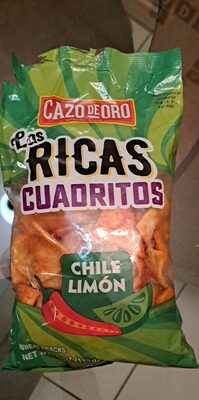 Macs Old Plantation
Las Ricas Cuadritos Chile Limn Wheat Snacks
High in sodium — 30% DV per serving
464kcal
7.1Protein
21.4Fat
57.1Carbs
Sunshine Biscuits, Inc.
Original Baked Snack Assortment, Original
400kcal
10Protein
15Fat
70Carbs
Nabisco Food Company
Wasabi Honey Nutty Snack Mix, Wasabi Honey
522kcal
17.4Protein
30.4Fat
47.8Carbs
Macs Old Plantation
Las Ricas Cuadritos Chile Limn Wheat Snacks
High in sodium — 30% DV per serving
464kcal
7.1Protein
21.4Fat
57.1Carbs
Sunshine Biscuits, Inc.
Original Baked Snack Assortment, Original
400kcal
10Protein
15Fat
70Carbs
Nabisco Food Company
Wasabi Honey Nutty Snack Mix, Wasabi Honey
522kcal
17.4Protein
30.4Fat
47.8Carbs
Learn more
Auto-generated content. This description was generated automatically and is pending editorial review. Inaccuracies are possible. Found a mistake? Contact us.