Wheatgrass
What is Wheatgrass?
Wheatgrass is the young grass of the wheat plant, Triticum aestivum. It is harvested when it is still green and tender, typically about 7 to 10 days after sprouting. It can be juiced, dried into powder, or used as a dietary supplement.
Is Wheatgrass vegan?
Wheatgrass is not animal-derived. Products that contain it can still include other animal-derived ingredients, so check the full ingredient list.
Is Wheatgrass gluten-free?
It contains gluten.
Is Wheatgrass a major allergen?
Wheatgrass is derived from wheat, which is one of the 9 FDA major allergens.
What is Wheatgrass used for?
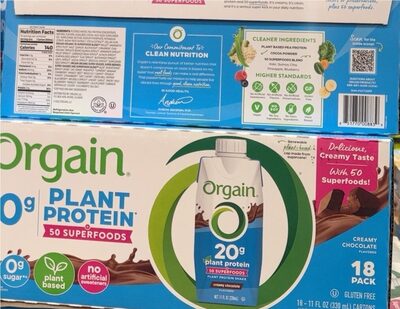
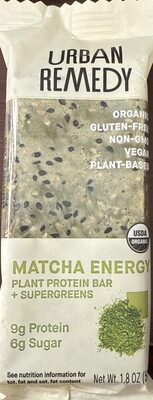
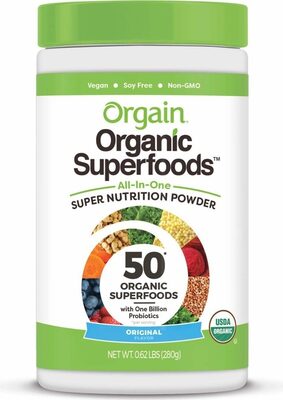
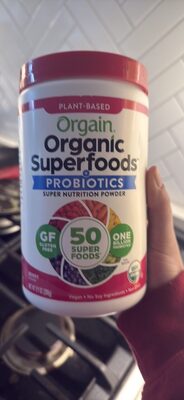
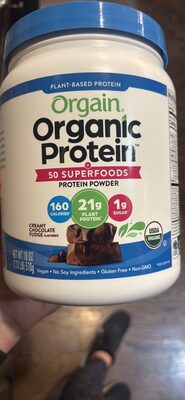
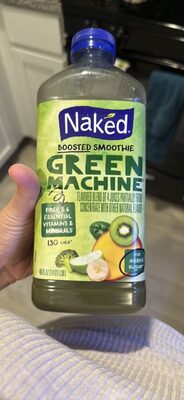
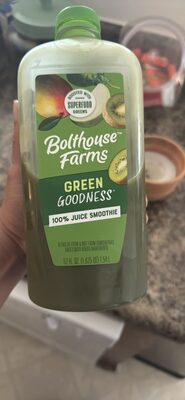
Manufacturers add wheatgrass for its nutritional content, often marketed as a 'superfood.' It is commonly found in fruit and vegetable juices, smoothies, protein powders, and health drinks.
Is Wheatgrass safe?
Wheatgrass is generally recognized as safe (GRAS) by the FDA when used as a food ingredient.
Why it's used
Manufacturers add wheatgrass for its nutritional content, often marketed as a 'superfood.' It is commonly found in fruit and vegetable juices, smoothies, protein powders, and health drinks. It can also be used as a natural green food coloring.
Health notes
Wheatgrass is generally recognized as safe (GRAS) by the FDA when used as a food ingredient. It is a source of vitamins, minerals, and antioxidants. While some studies suggest potential health benefits, such as improved digestion or immune support, more research is needed to confirm these effects. JECFA has evaluated wheatgrass and did not set a numeric limit (ADI not specified).
Allergen info
Wheatgrass is derived from wheat, which is one of the 9 FDA major allergens. It contains gluten.
Foods that contain Wheatgrass
Compare products →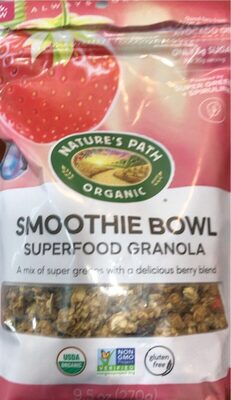
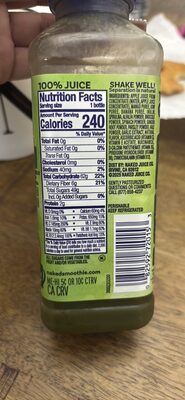
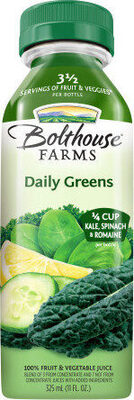
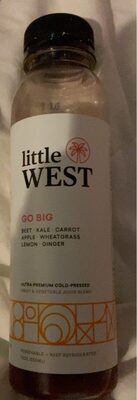
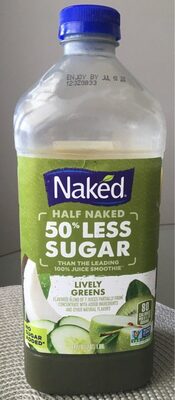
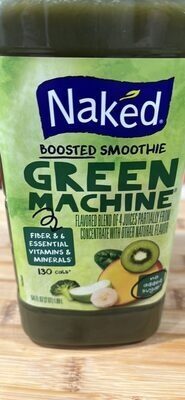
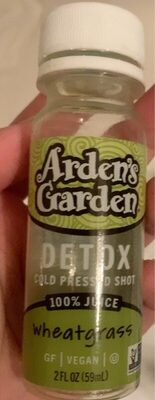
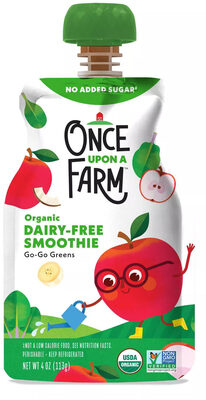
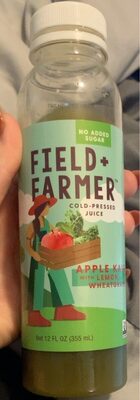
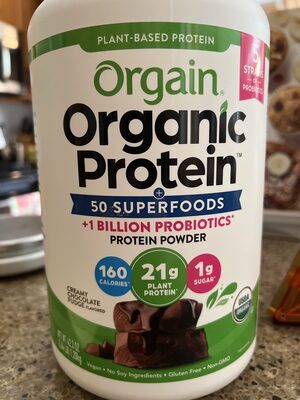
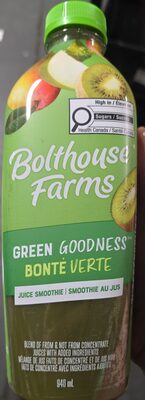
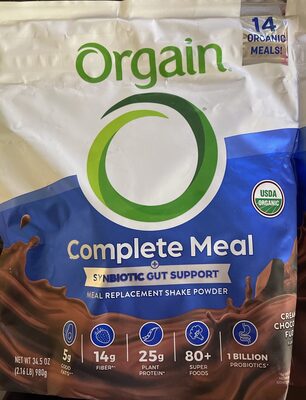
Learn more
Auto-generated content. This description was generated automatically and is pending editorial review. Inaccuracies are possible. Found a mistake? Contact us.