White And Black Sesame Seeds
What is White And Black Sesame Seeds?
Sesame seeds are tiny, flat seeds that come from the sesame plant, which is grown in many parts of the world. They are harvested by hand or machine and then cleaned and dried. White and black sesame seeds are simply different varieties of the same seed, with the color difference due to the ripeness of the pod when harvested.
Is White And Black Sesame Seeds vegan?
White And Black Sesame Seeds is not animal-derived. Products that contain it can still include other animal-derived ingredients, so check the full ingredient list.
Is White And Black Sesame Seeds gluten-free?
They do not contain gluten.
Is White And Black Sesame Seeds a major allergen?
Sesame seeds are one of the 9 major food allergens designated by the FDA.
What is White And Black Sesame Seeds used for?
Sesame seeds are often used as a garnish or ingredient to add a nutty flavor and crunchy texture to foods.
Is White And Black Sesame Seeds safe?
Sesame seeds are generally recognized as safe (GRAS) by the FDA for use in food.
Why it's used
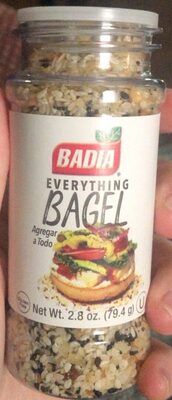
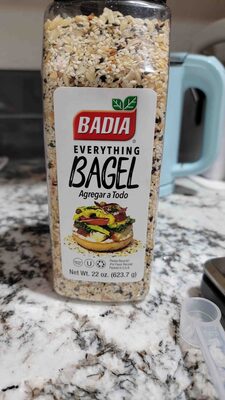
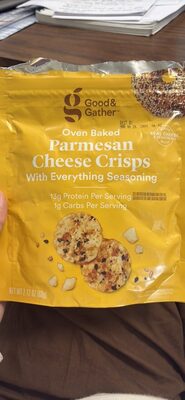
Sesame seeds are often used as a garnish or ingredient to add a nutty flavor and crunchy texture to foods. They are commonly found in baked goods like crackers and bread, sprinkled on top of salads, or used in marinades and seasoning blends.
Health notes
Sesame seeds are generally recognized as safe (GRAS) by the FDA for use in food. They are a source of healthy fats, protein, and fiber. International bodies like JECFA and EFSA have evaluated sesame, but no specific numeric limits are typically noted for whole seeds as a food ingredient. While generally healthy, some individuals may have allergies to sesame.
Allergen info
Sesame seeds are one of the 9 major food allergens designated by the FDA. They do not contain gluten.
Foods that contain White And Black Sesame Seeds
Compare products →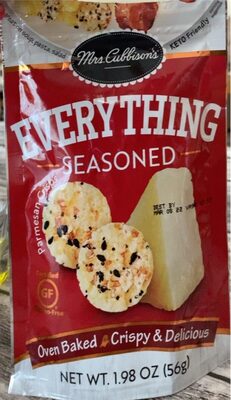
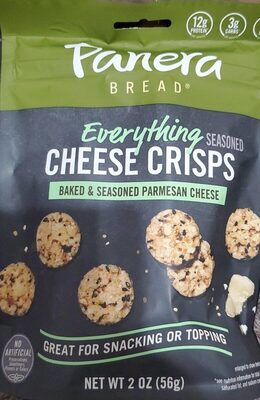
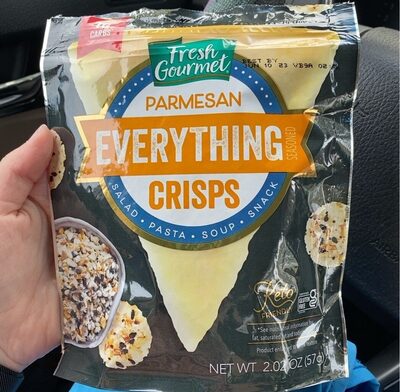
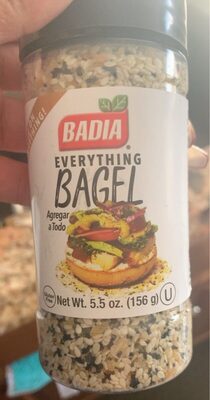
Learn more
Auto-generated content. This description was generated automatically and is pending editorial review. Inaccuracies are possible. Found a mistake? Contact us.