White Cane Sugar
What is White Cane Sugar?
White cane sugar is a common type of sugar made from sugarcane. The sugarcane stalks are crushed to extract juice, which is then purified, concentrated, and crystallized. The raw sugar crystals are further refined to remove impurities and molasses, resulting in the white granulated sugar often found in kitchens.
Is White Cane Sugar a major allergen?
Not a major allergen.
What is White Cane Sugar used for?
It is primarily used as a sweetener to improve the taste of foods and beverages.
Is White Cane Sugar safe?
White cane sugar is Generally Recognized As Safe (GRAS) by the U.S. Food and Drug Administration (FDA).
Why it's used
It is primarily used as a sweetener to improve the taste of foods and beverages. Beyond sweetness, it also adds bulk, helps with texture, and contributes to browning in baked goods. White cane sugar is commonly found in drinks, desserts, baked goods, and many processed foods.
Health notes
White cane sugar is Generally Recognized As Safe (GRAS) by the U.S. Food and Drug Administration (FDA). As a source of calories, consuming it in large amounts can contribute to health issues such as obesity and type 2 diabetes. The 2025-2030 Dietary Guidelines for Americans recommend no amount of added sugars, and at most 10 grams of added sugars per meal. The World Health Organization (WHO) advises limiting free sugars to less than 10% of total energy intake. JECFA has evaluated sugars and determined an acceptable daily intake, and EFSA has also evaluated sugars.
Allergen info
Not a major allergen.
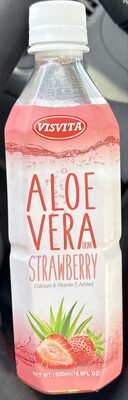
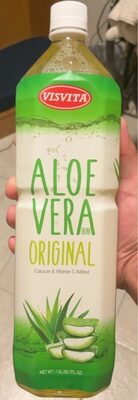
Foods that contain White Cane Sugar
Compare products →




Learn more
Auto-generated content. This description was generated automatically and is pending editorial review. Inaccuracies are possible. Found a mistake? Contact us.