White Corn Cooked With Lime
What is White Corn Cooked With Lime?
White corn cooked with lime, also known as hominy, is a whole grain that has been treated with an alkali, typically calcium hydroxide (slaked lime). This process, called nixtamalization, softens the corn, improves its nutritional value, and gives it a distinct flavor and texture.
Is White Corn Cooked With Lime vegan?
White Corn Cooked With Lime is not animal-derived. Products that contain it can still include other animal-derived ingredients, so check the full ingredient list.
Is White Corn Cooked With Lime gluten-free?
It does not contain gluten.
Is White Corn Cooked With Lime a major allergen?
Corn is not one of the nine major allergens recognized by the FDA.
What is White Corn Cooked With Lime used for?
Hominy is a staple in many cuisines, especially Mexican and Southwestern American dishes.
Is White Corn Cooked With Lime safe?
Nixtamalized corn, like hominy, is generally recognized as safe (GRAS) by the FDA.
Why it's used
Hominy is a staple in many cuisines, especially Mexican and Southwestern American dishes. It is often used in soups, stews, casseroles, and as a side dish. Manufacturers use it for its hearty texture and mild corn flavor.
Health notes
Nixtamalized corn, like hominy, is generally recognized as safe (GRAS) by the FDA. The nixtamalization process increases the bioavailability of niacin (a B vitamin) and makes it easier to digest. JECFA has evaluated corn and corn derivatives. No significant health concerns are associated with typical consumption of hominy.
Allergen info
Corn is not one of the nine major allergens recognized by the FDA. It does not contain gluten.
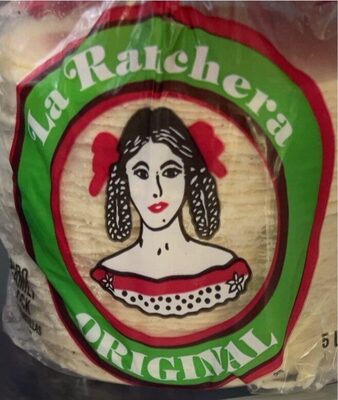
Foods that contain White Corn Cooked With Lime
Compare products →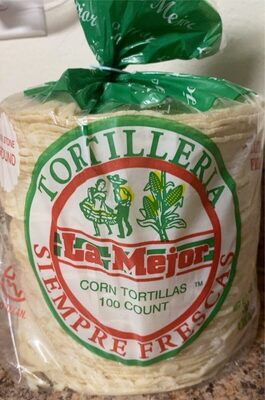
Learn more
Auto-generated content. This description was generated automatically and is pending editorial review. Inaccuracies are possible. Found a mistake? Contact us.