White Fudge
What is White Fudge?
White fudge is a confection made primarily from sugar, vegetable oil (often palm kernel or coconut oil), and milk solids. It is created by melting and mixing these ingredients, then cooling the mixture to achieve a solid, white coating.
Is White Fudge vegan?
No. White Fudge is animal-derived, so it is not vegan.
Is White Fudge a major allergen?
White fudge is often derived from milk, which is one of the FDA's major allergens.
What is White Fudge used for?
White fudge is used as a coating or flavoring in a variety of sweet treats.
Is White Fudge safe?
White fudge is generally recognized as safe (GRAS) by the FDA when used as a food ingredient.
Why it's used
White fudge is used as a coating or flavoring in a variety of sweet treats. Its creamy texture and sweet flavor make it popular for covering pretzels, cookies, popcorn, and candies.
Health notes
White fudge is generally recognized as safe (GRAS) by the FDA when used as a food ingredient. It is primarily composed of sugar and fat, and like other high-sugar, high-fat confections, excessive consumption can contribute to excess calorie intake. The Joint FAO/WHO Expert Committee on Food Additives (JECFA) has evaluated many of the individual components of white fudge, such as sugar and fats, but does not have a specific evaluation for 'white fudge' as a composite ingredient.
Allergen info
White fudge is often derived from milk, which is one of the FDA's major allergens. Depending on the specific ingredients used, it may also contain soy or be processed in facilities with other allergens.
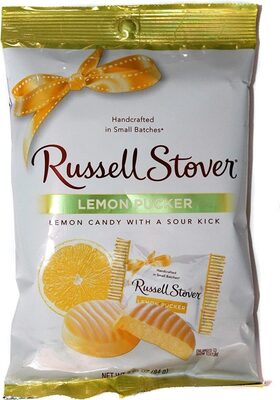
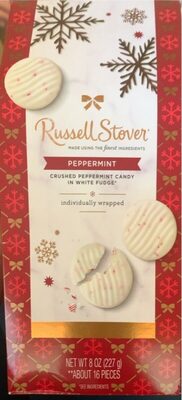
Foods that contain White Fudge
Compare products →


Auto-generated content. This description was generated automatically and is pending editorial review. Inaccuracies are possible. Found a mistake? Contact us.