White Wine
What is White Wine?
White wine is an alcoholic beverage produced by fermenting the juice of grapes. Unlike red wine, the grape skins are typically removed before fermentation, resulting in its characteristic lighter color. The fermentation process converts the sugars in the grape juice into alcohol.
Is White Wine vegan?
White Wine is not animal-derived. Products that contain it can still include other animal-derived ingredients, so check the full ingredient list.
Is White Wine a major allergen?
White wine is not considered one of the nine major food allergens identified by the FDA.
What is White Wine used for?
In packaged foods, white wine is primarily used as a flavoring agent to add complex, often fruity or acidic notes.
Is White Wine safe?
White wine, when used as a food ingredient, is generally recognized as safe (GRAS) by the FDA for its intended uses and at typical levels.
Why it's used
In packaged foods, white wine is primarily used as a flavoring agent to add complex, often fruity or acidic notes. It also functions as an acidity regulator, helping to balance flavors and preserve certain products. It is commonly found in salad dressings, marinades, sauces, and some prepared meals.
Health notes
White wine, when used as a food ingredient, is generally recognized as safe (GRAS) by the FDA for its intended uses and at typical levels. It contains alcohol, which can evaporate during cooking, but some may remain. The FDA does not set acceptable daily intake (ADI) levels for whole food ingredients like wine. There are no specific controversies regarding white wine as a food ingredient, though alcohol consumption in general has well-documented health effects.
Allergen info
White wine is not considered one of the nine major food allergens identified by the FDA.
Foods that contain White Wine
Compare products →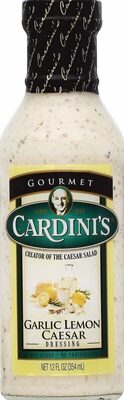
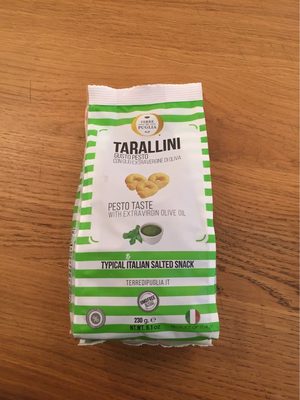

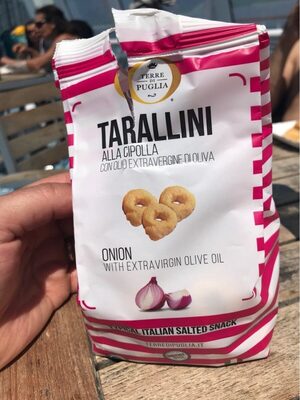

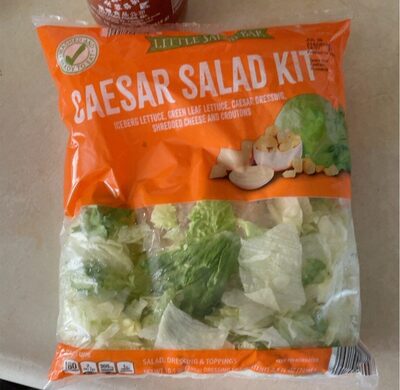

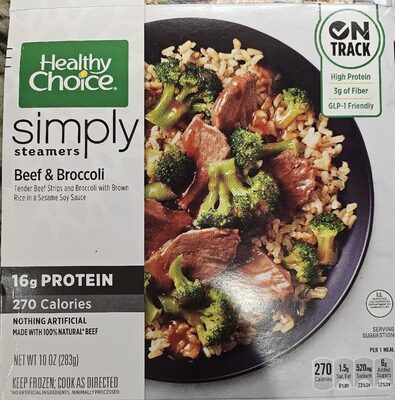


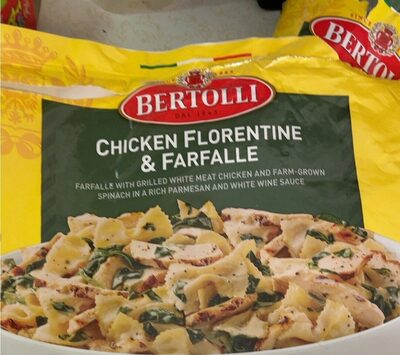







Learn more
Auto-generated content. This description was generated automatically and is pending editorial review. Inaccuracies are possible. Found a mistake? Contact us.