Whole Dehydrated Chickpea
Auto-generated content. This description was generated automatically and is pending editorial review. Inaccuracies are possible. Found a mistake? Contact us.
What it is
Whole dehydrated chickpeas are dried, whole chickpeas (also known as garbanzo beans). They are produced by removing moisture from cooked or raw chickpeas through dehydration, which extends their shelf life and concentrates their flavor.
Why it's used
Manufacturers use dehydrated chickpeas as a source of plant-based protein and fiber. They are often rehydrated and used in vegetarian and vegan dishes, snacks, and as a meat substitute. They can also be ground into flour for baking.
Health notes
Chickpeas are a source of protein, fiber, and various micronutrients. The FDA considers whole dehydrated chickpeas to be Generally Recognized As Safe (GRAS) for their intended use. Regulatory bodies like EFSA have evaluated chickpeas and their components, generally recognizing them as safe. Evidence suggests a diet rich in legumes like chickpeas can contribute to a healthy eating pattern.
Allergen info
Chickpeas are not among the 9 FDA major allergens. They do not contain gluten.
Products containing Whole Dehydrated Chickpea
Compare products →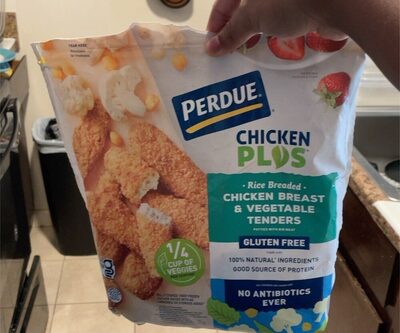 Perdue Farms Incorporated
Rice Breaded Chicken Breast & Vegetable Tenders
High in sodium — 20% DV per serving
232kcal
9.1Protein
11.1Fat
23.2Carbs
Perdue Farms Incorporated
Rice Breaded Chicken Breast & Vegetable Tenders
High in sodium — 20% DV per serving
232kcal
9.1Protein
11.1Fat
23.2Carbs
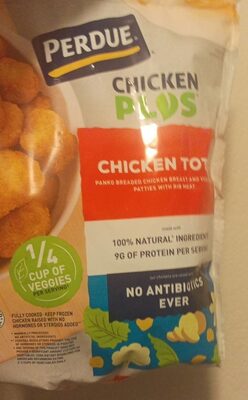 Perdue Farms Incorporated
Perdue Chicken Plus Chicken Tots, 22 Oz
High in sodium — 20% DV per serving
244kcal
10Protein
11.1Fat
24.4Carbs
Perdue Farms Incorporated
Perdue Chicken Plus Chicken Tots, 22 Oz
High in sodium — 20% DV per serving
244kcal
10Protein
11.1Fat
24.4Carbs
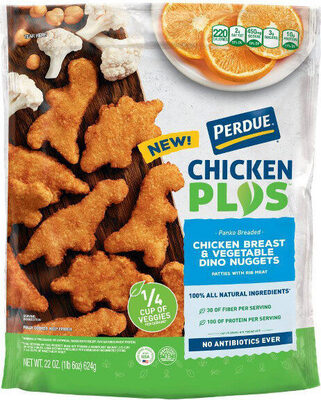 Perdue Farms Incorporated
Panko Breaded Chicken Breast & Vegetable Dino Nuggets Patties With Rib Meat, Panko Breaded
High in sodium — 20% DV per serving
228kcal
9.8Protein
10.9Fat
22.8Carbs
Perdue Farms Incorporated
Panko Breaded Chicken Breast & Vegetable Dino Nuggets Patties With Rib Meat, Panko Breaded
High in sodium — 20% DV per serving
228kcal
9.8Protein
10.9Fat
22.8Carbs
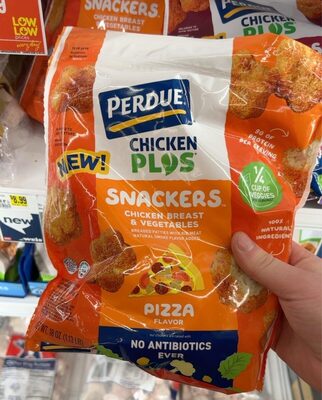 Perdue Farms Incorporated
Pizza Chicken Plus Chicken Breast & Vegetables Snackers, Pizza
High in sodium — 26% DV per serving
222kcal
10Protein
11.1Fat
21.1Carbs
Perdue Farms Incorporated
Pizza Chicken Plus Chicken Breast & Vegetables Snackers, Pizza
High in sodium — 26% DV per serving
222kcal
10Protein
11.1Fat
21.1Carbs
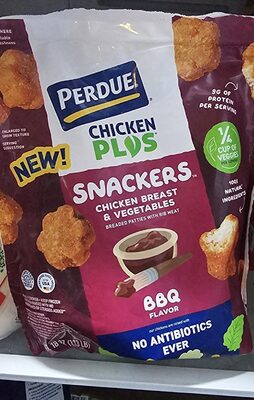 Perdue Farms Incorporated
BBQ Chicken Breast & Vegetables Breaded Patties With Rib Meat Snackers, BBQ
High in sodium — 22% DV per serving
222kcal
10Protein
11.1Fat
22.2Carbs
Perdue Farms Incorporated
Firecracker Chicken Breast & Vegetables Breaded Patties With Rib Meat Snackers, Firecracker
High in sodium — 29% DV per serving
222kcal
10Protein
11.1Fat
21.1Carbs
Perdue Farms Incorporated
BBQ Chicken Breast & Vegetables Breaded Patties With Rib Meat Snackers, BBQ
High in sodium — 22% DV per serving
222kcal
10Protein
11.1Fat
22.2Carbs
Perdue Farms Incorporated
Firecracker Chicken Breast & Vegetables Breaded Patties With Rib Meat Snackers, Firecracker
High in sodium — 29% DV per serving
222kcal
10Protein
11.1Fat
21.1Carbs