With Added Vitamin A And Vitamin D
What is With Added Vitamin A And Vitamin D?
This ingredient refers to milk that has had Vitamin A and Vitamin D added to it. These vitamins are naturally present in milk, but fortification can ensure consistent levels. The added vitamins are typically in forms like retinyl palmitate (Vitamin A) and cholecalciferol (Vitamin D).
Is With Added Vitamin A And Vitamin D vegan?
No. With Added Vitamin A And Vitamin D is animal-derived, so it is not vegan.
Is With Added Vitamin A And Vitamin D a major allergen?
Milk is one of the 9 major allergens identified by the FDA.
What is With Added Vitamin A And Vitamin D used for?
Manufacturers add Vitamin A and Vitamin D to milk and dairy products to boost their nutritional value.
Is With Added Vitamin A And Vitamin D safe?
Milk is generally recognized as safe (GRAS) by the FDA.
Why it's used
Manufacturers add Vitamin A and Vitamin D to milk and dairy products to boost their nutritional value. These vitamins are important for bone health and immune function. Fortified milk is commonly found in products like puddings, custards, and baked goods where milk is a primary ingredient.
Health notes
Milk is generally recognized as safe (GRAS) by the FDA. Vitamins A and D are essential nutrients. Excessive intake of vitamins A and D can be harmful, but typical consumption from fortified foods is not associated with adverse effects. The National Academies of Sciences, Engineering, and Medicine have established Upper Intake Levels (ULs) for these vitamins. JECFA and EFSA have also evaluated these vitamins.
Allergen info
Milk is one of the 9 major allergens identified by the FDA. This ingredient is derived from milk.
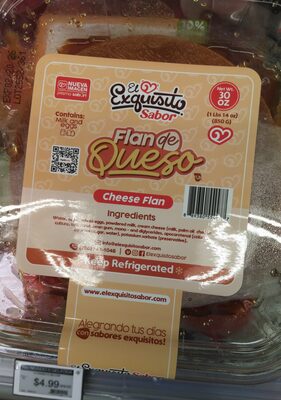
Foods that contain With Added Vitamin A And Vitamin D
Compare products →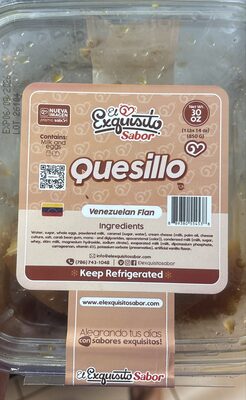
Learn more
Auto-generated content. This description was generated automatically and is pending editorial review. Inaccuracies are possible. Found a mistake? Contact us.