With EDTA
Auto-generated content. This description was generated automatically and is pending editorial review. Inaccuracies are possible. Found a mistake? Contact us.
What it is
EDTA, or ethylenediaminetetraacetic acid, is a synthetic compound. It is produced industrially through chemical reactions involving amines and formaldehyde. It is commonly used in its salt forms, such as disodium EDTA or calcium disodium EDTA.
Why it's used
EDTA acts as a chelating agent, meaning it binds to metal ions. This property helps prevent spoilage by inhibiting metal-catalyzed oxidation, which can cause changes in flavor, color, and texture. It is often found in processed foods like canned goods, dressings, and snacks.
Health notes
In the US, calcium disodium EDTA is approved as a food additive for specific uses, and disodium EDTA is generally recognized as safe (GRAS). International bodies like JECFA have evaluated EDTA and established acceptable daily intakes. Research has explored EDTA's potential role in removing heavy metals from the body, but it is not approved as a medical treatment for this purpose. Evidence on long-term health effects at typical dietary levels is generally reassuring.
Allergen info
Not a major allergen.
Products containing With EDTA
Compare products →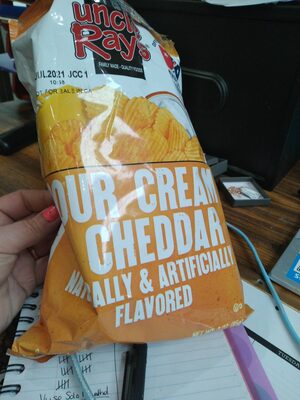 Uncle Rays, LLC
Sour Cream & Cheddar Potato Chips
571kcal
7.1Protein
35.7Fat
57.1Carbs
Uncle Rays, LLC
Sour Cream & Cheddar Potato Chips
571kcal
7.1Protein
35.7Fat
57.1Carbs