With Germ Removed
Auto-generated content. This description was generated automatically and is pending editorial review. Inaccuracies are possible. Found a mistake? Contact us.
What it is
This refers to a processing step where the germ, the nutrient-rich part of a grain kernel, is removed. This process is often applied to grains like wheat and rice. Removing the germ extends shelf life and changes the texture of the grain.
Why it's used
Grains with the germ removed are used in products where a longer shelf life and a lighter texture are desired. They are commonly found in baked goods like crackers and some snack foods. The removal of the germ can also affect the nutritional profile of the final product.
Health notes
Grains processed to remove the germ are generally considered safe by the FDA. This process primarily affects the nutritional content, reducing fiber and certain vitamins found in the germ. Regulatory bodies like JECFA and EFSA have evaluated various grain processing methods, but specific evaluations for 'germ removed' as a standalone ingredient are not typically highlighted. The main health consideration is the reduced nutrient density compared to whole grains.
Allergen info
This ingredient is derived from grains, which are not among the FDA's 9 major allergens. Gluten may be present if the grain is wheat, barley, or rye.
Products containing With Germ Removed
Compare products →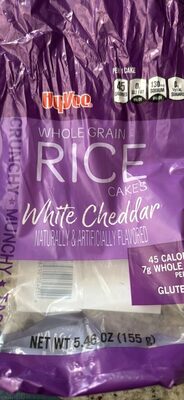 Hy-Vee, Inc.
Whole Grain White Cheddar
409kcal
9.1Protein
4.5Fat
81.8Carbs
Supervalu, Inc.
Rice Cake
385kcal
7.7Protein
0Fat
84.6Carbs
Supervalu, Inc.
Butter Popped Corn Flavor Rice Cakes
400kcal
10Protein
0Fat
80Carbs
Hy-Vee, Inc.
Whole Grain Caramel Corn Rice Cakes
385kcal
7.7Protein
0Fat
84.6Carbs
Hy-Vee, Inc.
Whole Grain White Cheddar
409kcal
9.1Protein
4.5Fat
81.8Carbs
Supervalu, Inc.
Rice Cake
385kcal
7.7Protein
0Fat
84.6Carbs
Supervalu, Inc.
Butter Popped Corn Flavor Rice Cakes
400kcal
10Protein
0Fat
80Carbs
Hy-Vee, Inc.
Whole Grain Caramel Corn Rice Cakes
385kcal
7.7Protein
0Fat
84.6Carbs
 QTG
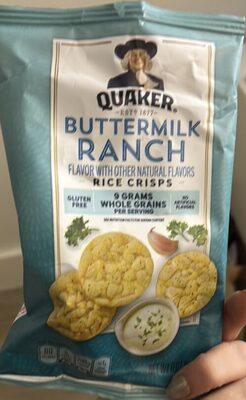
Quaker Popped Rice Crisps Ranch
421kcal
5.3Protein
15.8Fat
68.4Carbs
Pepsico Inc.
Quaker Popped Sweet Chili Rice Snacks 3 Ounce Plastic Bag
433kcal
6.7Protein
15Fat
70Carbs
QTG
Quaker Popped Rice Crisps Ranch
421kcal
5.3Protein
15.8Fat
68.4Carbs
Pepsico Inc.
Quaker Popped Sweet Chili Rice Snacks 3 Ounce Plastic Bag
433kcal
6.7Protein
15Fat
70Carbs
 Topco Associates, Inc.
Caramel Oven Baked Rice Crisps, Caramel
400kcal
6.7Protein
0Fat
86.7Carbs
Topco Associates, Inc.
Cheddar Cheese Oven Baked Rice Crisps
467kcal
6.7Protein
16.7Fat
73.3Carbs
Topco Associates, Inc.
Caramel Oven Baked Rice Crisps, Caramel
400kcal
6.7Protein
0Fat
86.7Carbs
Topco Associates, Inc.
Cheddar Cheese Oven Baked Rice Crisps
467kcal
6.7Protein
16.7Fat
73.3Carbs
 Topco Associates, Inc.
Sour Cream & Onion Oven Baked Rice Crisps, Sour Cream & Onion
467kcal
6.7Protein
16.7Fat
80Carbs
Topco Associates, Inc.
Sour Cream & Onion Oven Baked Rice Crisps, Sour Cream & Onion
467kcal
6.7Protein
16.7Fat
80Carbs
 Topco Associates, Inc.
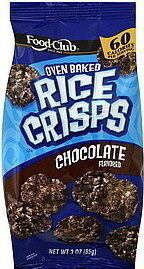
Chocolate Oven Baked Rice Crisps, Chocolate
400kcal
6.7Protein
0Fat
93.3Carbs
Finlay Extracts & Ingredients USA, Inc.
Oven Baked Popped Rice Crisps, Chocolate
400kcal
6.7Protein
0Fat
93.3Carbs
Finlay Extracts & Ingredients USA, Inc.
Popped Rice Crisps, Ranch
467kcal
6.7Protein
16.7Fat
73.3Carbs
Topco Associates, Inc.
Chocolate Oven Baked Rice Crisps, Chocolate
400kcal
6.7Protein
0Fat
93.3Carbs
Finlay Extracts & Ingredients USA, Inc.
Oven Baked Popped Rice Crisps, Chocolate
400kcal
6.7Protein
0Fat
93.3Carbs
Finlay Extracts & Ingredients USA, Inc.
Popped Rice Crisps, Ranch
467kcal
6.7Protein
16.7Fat
73.3Carbs