With Lecithin
Auto-generated content. This description was generated automatically and is pending editorial review. Inaccuracies are possible. Found a mistake? Contact us.
What it is
Lecithin is a type of fat that is found naturally in many foods, including soybeans, eggs, and sunflower seeds. It is often extracted from these sources using chemical solvents or mechanical pressing. Lecithin acts as an emulsifier, helping to mix ingredients that normally don't blend well, like oil and water.
Why it's used
Manufacturers add lecithin to foods to improve texture, shelf life, and consistency. It helps prevent ingredients from separating, such as in salad dressings and chocolate. You'll find it in baked goods, margarine, processed meats, and many other packaged foods.
Health notes
In the US, lecithin is generally recognized as safe (GRAS) by the FDA when used as an ingredient. It is a common component of cell membranes and plays a role in fat metabolism. International bodies like JECFA have evaluated lecithin, and EFSA has also reviewed its use. Evidence does not suggest adverse health effects from typical dietary intake.
Allergen info
Lecithin can be derived from soy or eggs, which are two of the nine major allergens recognized by the FDA. If derived from soy, it is a soy allergen. If derived from eggs, it is an egg allergen. It does not contain gluten.
Products containing With Lecithin
Compare products →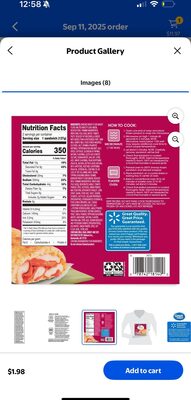 Wal-Mart Stores, Inc.
Pepperoni & Cheese Slices Of Pepperoni And Reduced Fat Mozzarella Cheese With Tomato Sauce Wrapped In A Crust Filled Sandwiches, Pepperoni & Cheese
High in sodium — 25% DV per serving
High in saturated fat — 45% DV per serving
268kcal
8.7Protein
11.8Fat
30.7Carbs
Wal-Mart Stores, Inc.
Pepperoni & Cheese Slices Of Pepperoni And Reduced Fat Mozzarella Cheese With Tomato Sauce Wrapped In A Crust Filled Sandwiches, Pepperoni & Cheese
High in sodium — 25% DV per serving
High in saturated fat — 45% DV per serving
268kcal
8.7Protein
11.8Fat
30.7Carbs