Xan Than Gum
What is Xan Than Gum?
Xanthan gum is a polysaccharide, a type of complex carbohydrate. It is produced by the fermentation of sugar by a specific bacterium, *Xanthomonas campestris*. The resulting gum is then dried and milled into a fine powder.
Is Xan Than Gum vegan?
Xan Than Gum is not animal-derived. Products that contain it can still include other animal-derived ingredients, so check the full ingredient list.
Is Xan Than Gum gluten-free?
It does not contain gluten.
Is Xan Than Gum a major allergen?
Xanthan gum is not derived from any of the major allergens.
What is Xan Than Gum used for?
Manufacturers add xanthan gum to foods as a thickener and stabilizer.
Is Xan Than Gum safe?
Xanthan gum is generally recognized as safe (GRAS) by the FDA for use in food.
Why it's used
Manufacturers add xanthan gum to foods as a thickener and stabilizer. It helps prevent ingredients from separating and gives products a smoother texture. It is commonly found in salad dressings, sauces, baked goods, and ice cream.
Health notes
Xanthan gum is generally recognized as safe (GRAS) by the FDA for use in food. It is not metabolized by the body and passes through undigested. While some people report mild digestive upset from very large amounts, it is considered safe at typical dietary levels. JECFA and EFSA have evaluated xanthan gum and established acceptable daily intakes.
Allergen info
Xanthan gum is not derived from any of the major allergens. It does not contain gluten.
Foods that contain Xan Than Gum
Compare products →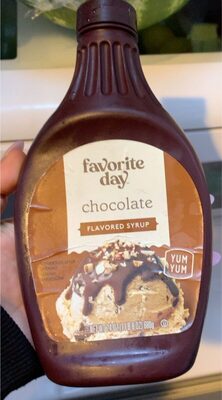

Learn more
Auto-generated content. This description was generated automatically and is pending editorial review. Inaccuracies are possible. Found a mistake? Contact us.