Xanthan And Cellulose Gums
Auto-generated content. This description was generated automatically and is pending editorial review. Inaccuracies are possible. Found a mistake? Contact us.
What it is
Xanthan gum is a polysaccharide produced by the fermentation of sugar by the bacterium Xanthomonas campestris. Cellulose gums, also known as carboxymethyl cellulose (CMC), are derived from cellulose, a natural polymer found in plants.
Why it's used
These gums are added to foods as thickeners and stabilizers. They help improve texture and prevent ingredients from separating, especially in sauces, dressings, and dairy products.
Health notes
Xanthan gum and cellulose gums are generally recognized as safe (GRAS) by the FDA for use in food. They are not absorbed by the body and pass through undigested. Both have been evaluated by JECFA and EFSA, and no numeric limits were set. Some people may experience mild digestive upset if they consume very large amounts.
Allergen info
Not a major allergen. Neither xanthan gum nor cellulose gums are derived from the nine major allergens, nor do they contain gluten.
Products containing Xanthan And Cellulose Gums
Compare products →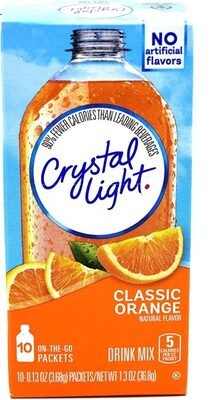 Kraft Heinz Foods Company
Classic Orange Drink Mix, Classic Orange
143kcal
0Protein
0Fat
57.1Carbs
Kraft Heinz Foods Company
Classic Orange Drink Mix, Classic Orange
143kcal
0Protein
0Fat
57.1Carbs
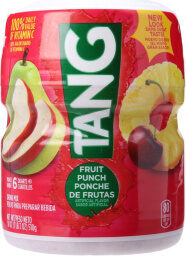 Kraft Heinz Foods Company
Fruit Punch Drink Mix, Fruit Punch
381kcal
0Protein
0Fat
90.5Carbs
Kraft Heinz Foods Company
Classic Orange Flavor Drink Mix, Classic Orange
167kcal
0Protein
0Fat
66.7Carbs
Kraft Heinz Foods Company
Fruit Punch Drink Mix, Fruit Punch
381kcal
0Protein
0Fat
90.5Carbs
Kraft Heinz Foods Company
Classic Orange Flavor Drink Mix, Classic Orange
167kcal
0Protein
0Fat
66.7Carbs
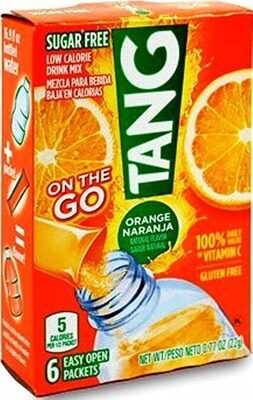 Kraft Heinz Foods Company
Tang, Orange Naranja
250kcal
0Protein
0Fat
0Carbs
Kraft Heinz Foods Company
Tang, Orange Naranja
250kcal
0Protein
0Fat
0Carbs
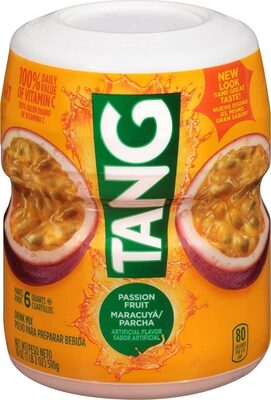 Kraft Heinz Foods Company
Passion Fruit Drink Mix, Passion Fruit
High in added sugars — 60% DV per serving
371kcal
0Protein
0Fat
94.3Carbs
Beaverton Foods, Inc.
Grated Horseradish Roots, Deli Mustard
200kcal
0Protein
10Fat
20Carbs
Kraft Heinz Foods Company
Passion Fruit Drink Mix, Passion Fruit
High in added sugars — 60% DV per serving
371kcal
0Protein
0Fat
94.3Carbs
Beaverton Foods, Inc.
Grated Horseradish Roots, Deli Mustard
200kcal
0Protein
10Fat
20Carbs
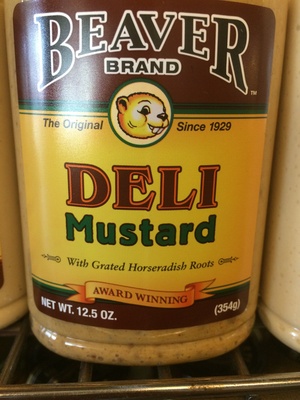 Beaverton Foods, Inc.
Deli Mustard
200kcal
0Protein
10Fat
20Carbs
Beaverton Foods, Inc.
Deli Mustard
200kcal
0Protein
10Fat
20Carbs
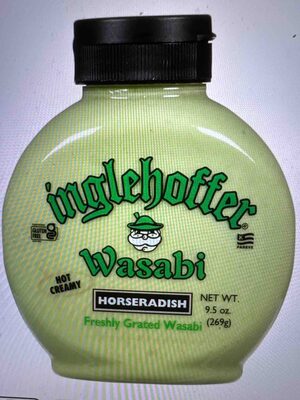 Beaverton Foods, Inc.
Wasabi Horseradish
200kcal
0Protein
10Fat
20Carbs
Beaverton Foods, Inc.
Wasabi Horseradish
200kcal
0Protein
10Fat
20Carbs
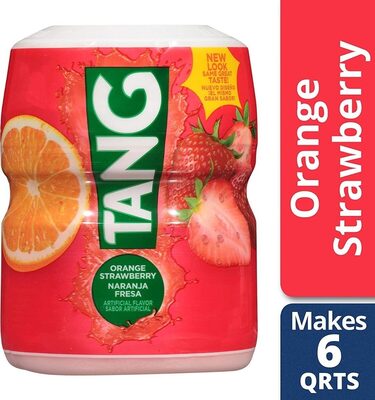 Kraft Heinz Foods Company
Orange Strawberry Drink Mix, Orange Strawberry
High in added sugars — 64% DV per serving
371kcal
0Protein
0Fat
97.1Carbs
Kraft Heinz Foods Company
Orange Strawberry Drink Mix, Orange Strawberry
High in added sugars — 64% DV per serving
371kcal
0Protein
0Fat
97.1Carbs