Xanthan And Pectin
Auto-generated content. This description was generated automatically and is pending editorial review. Inaccuracies are possible. Found a mistake? Contact us.
What it is
Xanthan gum is a polysaccharide produced by the fermentation of sugars by the bacterium Xanthomonas campestris. Pectin is a natural carbohydrate found in the cell walls of plants, especially fruits like apples and citrus peels. Both are commonly used as food additives.
Why it's used
Xanthan gum and pectin are primarily used as thickening and stabilizing agents in food products. They help to improve texture, prevent ingredients from separating, and create a smoother mouthfeel. They are often found in salad dressings, sauces, dairy products, and baked goods.
Health notes
Xanthan gum and pectin are generally recognized as safe (GRAS) by the FDA for use in food. They are considered dietary fibers and are not metabolized by the body. International bodies like JECFA and EFSA have evaluated these ingredients and found them to be safe. At typical consumption levels, they are not associated with adverse health effects.
Allergen info
Xanthan gum and pectin are not derived from any of the 9 FDA major allergens. They do not contain gluten.
Products containing Xanthan And Pectin
Compare products →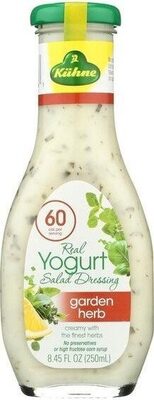 Carl Kuhne Kg
Garden Herb Real Yogurt Salad Dressing, Garden Herb
200kcal
3.3Protein
16.7Fat
10Carbs
Carl Kuhne Kg
Garden Herb Real Yogurt Salad Dressing, Garden Herb
200kcal
3.3Protein
16.7Fat
10Carbs
 Carl Kuhne Kg
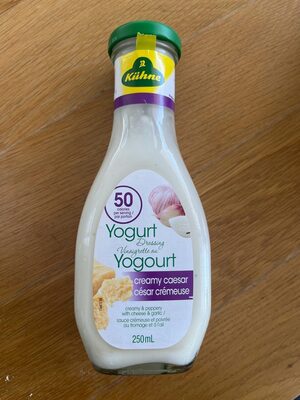
Creamy Caesar Real Yogurt Salad Dressing, Creamy Caesar
233kcal
0Protein
16.7Fat
10Carbs
Carl Kuhne Kg
Creamy Caesar Real Yogurt Salad Dressing, Creamy Caesar
233kcal
0Protein
16.7Fat
10Carbs
 Carl Kuhne Kg
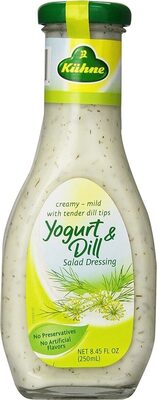
Savory Dill Real Yogurt Salad Dressing, Savory Dill
200kcal
3.3Protein
16.7Fat
10Carbs
Carl Kuhne Kg
Savory Dill Real Yogurt Salad Dressing, Savory Dill
200kcal
3.3Protein
16.7Fat
10Carbs
 Carl Kuhne Kg
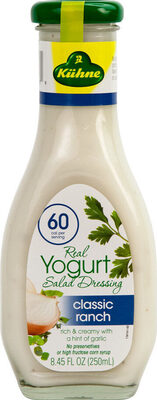
Classic Ranch Real Yogurt Salad Dressing, Classic Ranch
200kcal
0Protein
16.7Fat
10Carbs
Carl Kuhne Kg
Classic Ranch Real Yogurt Salad Dressing, Classic Ranch
200kcal
0Protein
16.7Fat
10Carbs
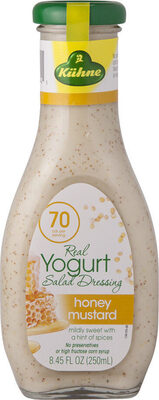 Carl Kuhne Kg
Honey Mustard Real Yogurt Salad Dressing, Honey Mustard
233kcal
3.3Protein
20Fat
10Carbs
Carl Kuhne Kg
Honey Mustard Real Yogurt Salad Dressing, Honey Mustard
233kcal
3.3Protein
20Fat
10Carbs