Thickening Agents
Auto-generated content. This description was generated automatically and is pending editorial review. Inaccuracies are possible. Found a mistake? Contact us.
What it is
Thickening agents are substances added to foods to increase viscosity, making them thicker and more stable. They can be derived from natural sources like plants (starches, gums) or synthesized. Their production often involves processing these natural materials or chemical reactions to create specific properties.
Why it's used
Manufacturers use thickening agents to improve the texture and mouthfeel of foods, preventing ingredients from separating and creating a smoother consistency. They are commonly found in products like salad dressings, sauces, gravies, dairy products, and baked goods.
Health notes
Many thickening agents are considered safe by the FDA and are listed as Generally Recognized As Safe (GRAS) or approved food additives. International bodies like JECFA and EFSA have evaluated many of these substances. At typical consumption levels, they are not associated with adverse health effects. Some individuals may experience digestive discomfort if large amounts are consumed.
Allergen info
Information varies depending on the specific thickening agent. Some, like modified food starch, can be derived from wheat or corn, which are not among the FDA's major allergens. Gluten is only a concern if derived from wheat. Others are not derived from major allergens.
Products containing Thickening Agents
Compare products →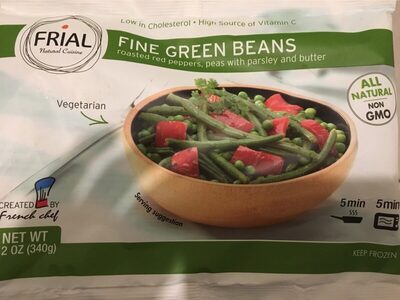 SAINTHOOD USA
Fine Green Beans
105kcal
2.6Protein
6.1Fat
10.5Carbs
SAINTHOOD USA
Garden Vegetable Medley
61kcal
2.6Protein
4.4Fat
4.4Carbs
Square Enterprises Corp.
Horseradish Cream
320kcal
0Protein
20Fat
0Carbs
Square Enterprises Corp.
Chrzan Horseradish
100kcal
0Protein
0Fat
20Carbs
SAINTHOOD USA
Fine Green Beans
105kcal
2.6Protein
6.1Fat
10.5Carbs
SAINTHOOD USA
Garden Vegetable Medley
61kcal
2.6Protein
4.4Fat
4.4Carbs
Square Enterprises Corp.
Horseradish Cream
320kcal
0Protein
20Fat
0Carbs
Square Enterprises Corp.
Chrzan Horseradish
100kcal
0Protein
0Fat
20Carbs
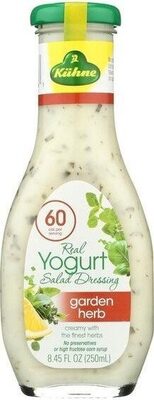 Carl Kuhne Kg
Garden Herb Real Yogurt Salad Dressing, Garden Herb
200kcal
3.3Protein
16.7Fat
10Carbs
Carl Kuhne Kg
Garden Herb Real Yogurt Salad Dressing, Garden Herb
200kcal
3.3Protein
16.7Fat
10Carbs
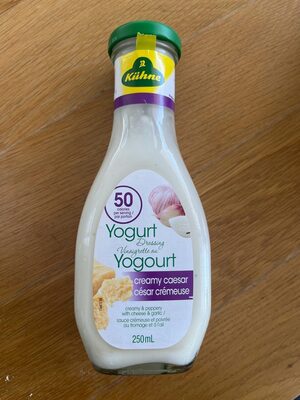 Carl Kuhne Kg
Creamy Caesar Real Yogurt Salad Dressing, Creamy Caesar
233kcal
0Protein
16.7Fat
10Carbs
Danland Foods Ltd
Herring Fillets In Dill-Herb Sauce
190kcal
11Protein
14Fat
4Carbs
Weis Markets, Inc.
Weis, Cooked & Peeled Shrimp
High in sodium — 34% DV per serving
High in cholesterol — 40% DV per serving
82kcal
10.4Protein
0.4Fat
9.7Carbs
Rich Hengstenberg
Hot & Spicy Horseradish, Hot & Spicy
200kcal
0Protein
0Fat
20Carbs
Carl Kuhne Kg
Creamy Caesar Real Yogurt Salad Dressing, Creamy Caesar
233kcal
0Protein
16.7Fat
10Carbs
Danland Foods Ltd
Herring Fillets In Dill-Herb Sauce
190kcal
11Protein
14Fat
4Carbs
Weis Markets, Inc.
Weis, Cooked & Peeled Shrimp
High in sodium — 34% DV per serving
High in cholesterol — 40% DV per serving
82kcal
10.4Protein
0.4Fat
9.7Carbs
Rich Hengstenberg
Hot & Spicy Horseradish, Hot & Spicy
200kcal
0Protein
0Fat
20Carbs
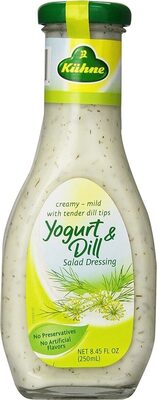 Carl Kuhne Kg
Savory Dill Real Yogurt Salad Dressing, Savory Dill
200kcal
3.3Protein
16.7Fat
10Carbs
Kings Super Markets Inc
Couscous And Quinoa With Vegetables
184kcal
5.3Protein
5.3Fat
28.9Carbs
Carl Kuhne Kg
Savory Dill Real Yogurt Salad Dressing, Savory Dill
200kcal
3.3Protein
16.7Fat
10Carbs
Kings Super Markets Inc
Couscous And Quinoa With Vegetables
184kcal
5.3Protein
5.3Fat
28.9Carbs