Xanthan Gum And Garlic Powder
What is Xanthan Gum And Garlic Powder?
Xanthan gum is a polysaccharide, a type of carbohydrate, produced by the fermentation of sugar by the bacterium Xanthomonas campestris. Garlic powder is made from dried, ground garlic cloves. Both are commonly used in food processing.
Is Xanthan Gum And Garlic Powder vegan?
Xanthan Gum And Garlic Powder is not animal-derived. Products that contain it can still include other animal-derived ingredients, so check the full ingredient list.
Is Xanthan Gum And Garlic Powder a major allergen?
Not a major allergen.
What is Xanthan Gum And Garlic Powder used for?
Xanthan gum is primarily used as a thickener and stabilizer in foods like sauces, dressings, and baked goods.
Is Xanthan Gum And Garlic Powder safe?
Xanthan gum is generally recognized as safe (GRAS) by the FDA.
Why it's used
Xanthan gum is primarily used as a thickener and stabilizer in foods like sauces, dressings, and baked goods. Garlic powder is used to add a garlic flavor to a wide variety of savory foods, including spice blends, marinades, and processed meats.
Health notes
Xanthan gum is generally recognized as safe (GRAS) by the FDA. It is not metabolized by the body and may help with regularity. JECFA has evaluated xanthan gum and set an acceptable daily intake. Garlic powder is also considered safe for consumption. No major health concerns are associated with typical dietary intake of either ingredient.
Allergen info
Not a major allergen. Xanthan gum is not derived from major allergens. Garlic powder is not derived from major allergens.
Foods that contain Xanthan Gum And Garlic Powder
Compare products →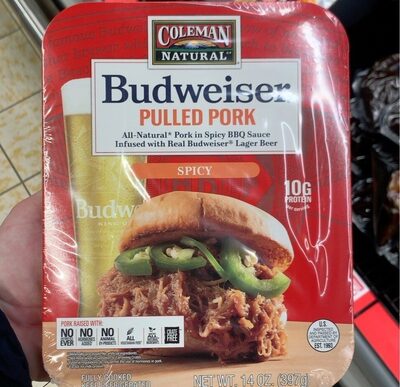
Auto-generated content. This description was generated automatically and is pending editorial review. Inaccuracies are possible. Found a mistake? Contact us.