Yeast Flakes
What is Yeast Flakes?
Nutritional yeast flakes are deactivated yeast, typically *Saccharomyces cerevisiae*. They are grown on molasses or other sugar sources, then harvested, washed, and dried to create flakes or powder. This process gives them a distinct, savory, cheesy flavor.
Is Yeast Flakes vegan?
Yeast Flakes is not animal-derived. Products that contain it can still include other animal-derived ingredients, so check the full ingredient list.
Is Yeast Flakes gluten-free?
It does not contain gluten.
Is Yeast Flakes a major allergen?
Yeast is not one of the nine major allergens.
What is Yeast Flakes used for?
Manufacturers add yeast flakes for their rich, umami flavor, often used as a cheese substitute or flavor enhancer in vegan and vegetarian dishes.
Is Yeast Flakes safe?
Nutritional yeast is generally recognized as safe (GRAS) by the FDA for food use.
Why it's used
Manufacturers add yeast flakes for their rich, umami flavor, often used as a cheese substitute or flavor enhancer in vegan and vegetarian dishes. They are commonly found in dips, sauces, vegan cheeses, baked goods, and as a seasoning for snacks.
Health notes
Nutritional yeast is generally recognized as safe (GRAS) by the FDA for food use. It is a source of B vitamins and protein. JECFA has evaluated yeast and its extracts, and EFSA has also evaluated yeast and yeast extracts. Typical consumption levels are not associated with adverse health effects.
Allergen info
Yeast is not one of the nine major allergens. It does not contain gluten.
Foods that contain Yeast Flakes
Compare products →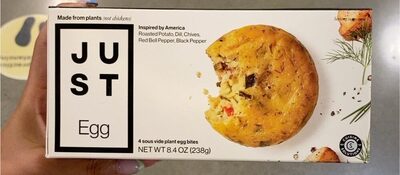
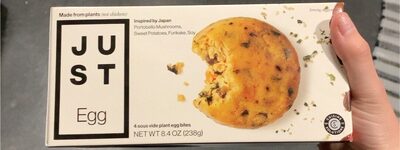
Learn more
Auto-generated content. This description was generated automatically and is pending editorial review. Inaccuracies are possible. Found a mistake? Contact us.