Yogurt Coated Peanuts
What is Yogurt Coated Peanuts?
Yogurt coating is a confection made from yogurt powder, sugar, and often vegetable oil or shortening. The mixture is melted and then used to coat various food items, such as nuts, fruits, or pretzels. It provides a tangy flavor and a smooth, creamy texture.
Is Yogurt Coated Peanuts vegan?
No. Yogurt Coated Peanuts is animal-derived, so it is not vegan.
Is Yogurt Coated Peanuts gluten-free?
This product is not a source of gluten.
Is Yogurt Coated Peanuts a major allergen?
Yogurt is derived from milk, which is one of the 9 FDA major allergens.
What is Yogurt Coated Peanuts used for?
Manufacturers use yogurt coating to add a sweet and slightly tart flavor profile to snacks.
Is Yogurt Coated Peanuts safe?
Yogurt coating is primarily a source of sugar and fat.
Why it's used
Manufacturers use yogurt coating to add a sweet and slightly tart flavor profile to snacks. The coating also provides a visually appealing finish and can help bind ingredients together. It is commonly found on nuts, dried fruits, pretzels, and in trail mix blends.
Health notes
Yogurt coating is primarily a source of sugar and fat. The US FDA lists yogurt as Generally Recognized As Safe (GRAS). Regulatory bodies like JECFA and EFSA have evaluated many individual ingredients used in such coatings. While generally considered safe in moderation as part of a balanced diet, high intake of added sugars can contribute to health concerns.
Allergen info
Yogurt is derived from milk, which is one of the 9 FDA major allergens. This product is not a source of gluten.
Foods that contain Yogurt Coated Peanuts
Compare products →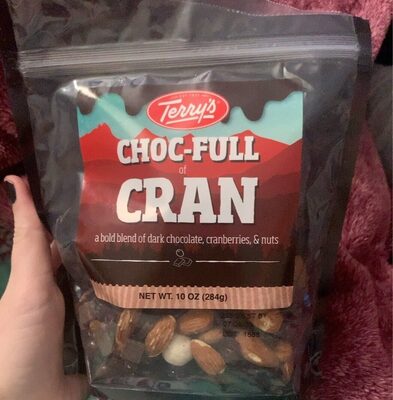
Auto-generated content. This description was generated automatically and is pending editorial review. Inaccuracies are possible. Found a mistake? Contact us.