50 Grain
What is 50 Grain?
50 Grain is a type of vinegar made from a blend of at least 50% grains, such as corn, wheat, or barley. The grains are fermented with yeast and bacteria, then aged to develop its characteristic flavor and aroma.
Is 50 Grain vegan?
50 Grain is not animal-derived. Products that contain it can still include other animal-derived ingredients, so check the full ingredient list.
Is 50 Grain gluten-free?
Consumers with gluten sensitivities should check product labels carefully.
Is 50 Grain a major allergen?
Depending on the specific grains used in its production, 50 Grain vinegar may contain allergens like wheat or barley.
What is 50 Grain used for?
Manufacturers use 50 Grain vinegar as a flavoring agent and preservative in a variety of foods.
Is 50 Grain safe?
50 Grain vinegar is generally recognized as safe (GRAS) by the FDA for use in food.
Why it's used
Manufacturers use 50 Grain vinegar as a flavoring agent and preservative in a variety of foods. It is commonly found in salad dressings, marinades, sauces, and pickles, adding a tangy taste and helping to extend shelf life.
Health notes
50 Grain vinegar is generally recognized as safe (GRAS) by the FDA for use in food. Like other vinegars, it is acidic and can contribute to dental enamel erosion if consumed in large amounts. International bodies like JECFA have evaluated vinegar and its components.
Allergen info
Depending on the specific grains used in its production, 50 Grain vinegar may contain allergens like wheat or barley. Consumers with gluten sensitivities should check product labels carefully.
Foods that contain 50 Grain
Compare products →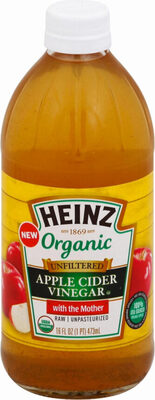 Heinz
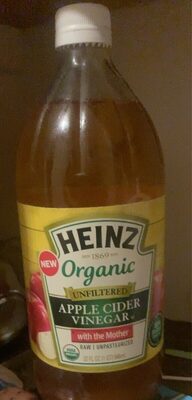
Apple Cider Organic Unfiltered Vinegar With The Mother, Apple Cider
0kcal
0Protein
0Fat
0Carbs
Auto-generated content. This description was generated automatically and is pending editorial review. Inaccuracies are possible. Found a mistake? Contact us.