Acids From Fermentation
What is Acids From Fermentation?
Acids from fermentation are organic acids produced when microorganisms like bacteria or yeast break down sugars. Common examples include lactic acid, acetic acid, and citric acid. These acids are naturally present in fermented foods like yogurt, sauerkraut, and vinegar.
Is Acids From Fermentation a major allergen?
Not a major allergen.
What is Acids From Fermentation used for?
Manufacturers add acids from fermentation to foods and beverages to provide a tart or sour taste, act as preservatives by inhibiting microbial growth, and help control pH levels.
Is Acids From Fermentation safe?
Acids from fermentation are generally recognized as safe (GRAS) by the FDA when used as food ingredients.
Why it's used
Manufacturers add acids from fermentation to foods and beverages to provide a tart or sour taste, act as preservatives by inhibiting microbial growth, and help control pH levels. They are frequently found in drinks, sauces, dressings, and processed meats.
Health notes
Acids from fermentation are generally recognized as safe (GRAS) by the FDA when used as food ingredients. They are naturally occurring in many foods and play a role in digestion. International bodies like JECFA and EFSA have evaluated various organic acids, generally finding them safe for consumption within typical dietary levels. Evidence does not suggest significant health concerns at levels typically found in food.
Allergen info
Not a major allergen.
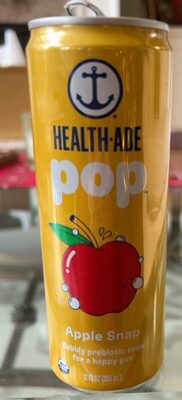
Foods that contain Acids From Fermentation
Compare products →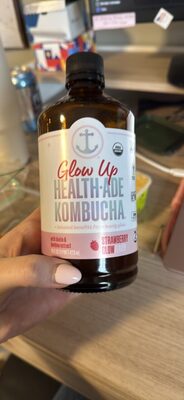

Auto-generated content. This description was generated automatically and is pending editorial review. Inaccuracies are possible. Found a mistake? Contact us.