After Cooking
What is After Cooking?
After Cooking is a flavor ingredient that provides a savory, meaty taste. It is typically derived from animal proteins, such as pork or beef, through a process of hydrolysis and enzymatic treatment. This process breaks down the proteins into smaller peptides and amino acids, creating a concentrated flavor.
Is After Cooking vegan?
No. After Cooking is animal-derived, so it is not vegan.
Is After Cooking gluten-free?
It does not contain gluten.
Is After Cooking a major allergen?
After Cooking is not derived from one of the 9 FDA major allergens.
What is After Cooking used for?
Manufacturers add After Cooking to enhance the savory and meaty notes in processed foods.
Is After Cooking safe?
After Cooking is generally recognized as safe (GRAS) by the FDA for use as a flavoring substance.
Why it's used
Manufacturers add After Cooking to enhance the savory and meaty notes in processed foods. It is often used in products like lunch meats, processed snacks, and breakfast items to boost their flavor profile and mimic the taste of cooked meat.
Health notes
After Cooking is generally recognized as safe (GRAS) by the FDA for use as a flavoring substance. Regulatory bodies like JECFA have evaluated similar flavor ingredients. At typical consumption levels found in food, it is not associated with adverse health effects. Evidence does not suggest significant health concerns for most consumers.
Allergen info
After Cooking is not derived from one of the 9 FDA major allergens. It does not contain gluten.
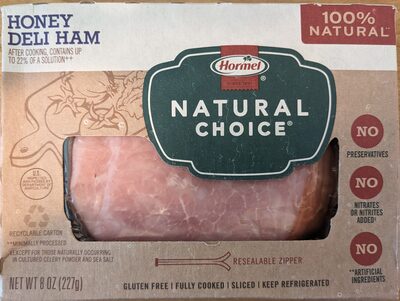
Foods that contain After Cooking
Compare products →

Learn more
Auto-generated content. This description was generated automatically and is pending editorial review. Inaccuracies are possible. Found a mistake? Contact us.