Alpha-glycerylphosphorylcholine
What is Alpha-glycerylphosphorylcholine?
Alpha-glycerylphosphorylcholine, also known as alpha-GPC, is a naturally occurring compound found in the brain and in soy lecithin. It can also be produced synthetically through chemical processes.
Is Alpha-glycerylphosphorylcholine vegan?
Alpha-glycerylphosphorylcholine is not animal-derived. Products that contain it can still include other animal-derived ingredients, so check the full ingredient list.
Is Alpha-glycerylphosphorylcholine a major allergen?
Alpha-GPC is typically derived from soy, which is one of the FDA's major allergens.
What is Alpha-glycerylphosphorylcholine used for?
Alpha-GPC is often added to energy drinks and other beverages as a source of choline, a nutrient important for brain health.
Is Alpha-glycerylphosphorylcholine safe?
In the U.S., alpha-GPC is generally recognized as safe (GRAS) when used as a dietary ingredient.
Why it's used
Alpha-GPC is often added to energy drinks and other beverages as a source of choline, a nutrient important for brain health. It is also used in some dietary supplements.
Health notes
In the U.S., alpha-GPC is generally recognized as safe (GRAS) when used as a dietary ingredient. Regulatory bodies like the European Food Safety Authority (EFSA) have evaluated alpha-GPC, but have not set specific numerical limits for its intake. Research into its effects is ongoing, with some studies suggesting potential cognitive benefits, while others show no significant impact.
Allergen info
Alpha-GPC is typically derived from soy, which is one of the FDA's major allergens. However, the processing to isolate alpha-GPC may remove allergenic proteins. Consumers with soy allergies should check product labels carefully.
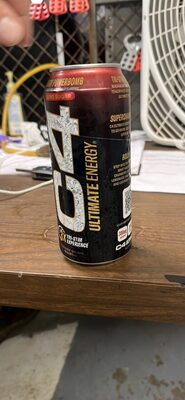
Foods that contain Alpha-glycerylphosphorylcholine
Compare products →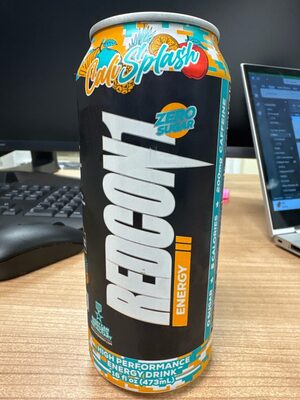

Learn more
Auto-generated content. This description was generated automatically and is pending editorial review. Inaccuracies are possible. Found a mistake? Contact us.