Auto-generated content.
This description was generated automatically and is pending editorial review.
Inaccuracies are possible. Found a mistake? Contact us.
Source
Not animal-derived
Allergen
No
Role in food
Manufacturers add aluminum phosphate to baked goods like cakes and cupcakes to help them …
What it is
Aluminum phosphate is a white powder made from aluminum oxide and phosphoric acid. It is used as an anti-caking agent and leavening agent in food products. It is produced industrially through chemical synthesis.
Why it's used
Manufacturers add aluminum phosphate to baked goods like cakes and cupcakes to help them rise evenly during baking. It also prevents powders from clumping together, ensuring a consistent texture in products such as frozen appetizers and snack cakes. It is commonly found in baked goods and frozen convenience foods.
Health notes
In the U.S., aluminum phosphate is Generally Recognized As Safe (GRAS) by the FDA when used as an anti-caking agent or leavening agent. International bodies like JECFA have evaluated aluminum compounds and established acceptable daily intakes. While aluminum is present in many foods and antacids, high levels of aluminum intake from all sources are a concern for some individuals, particularly those with kidney problems.
Allergen info
Aluminum phosphate is not derived from any of the nine major allergens recognized by the FDA. It does not contain gluten.
Note:
This site presents label data from USDA FoodData Central for general information. It is not medical advice.
Check the package label; formulations change.
 Fernando's Bakery, Inc.
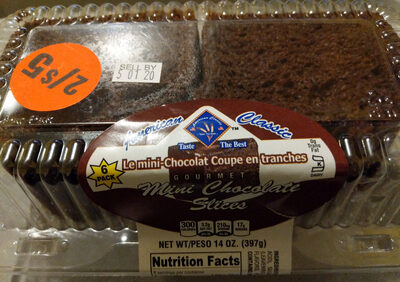
Gourmet Mini Chocolate Cake Slices, Chocolate
353kcal
5.1Protein
19.3Fat
39.8Carbs
Fernando's Bakery, Inc.
Gourmet Mini Chocolate Cake Slices, Chocolate
353kcal
5.1Protein
19.3Fat
39.8Carbs