Ammonia-free
Auto-generated content. This description was generated automatically and is pending editorial review. Inaccuracies are possible. Found a mistake? Contact us.
What it is
Ammonia-free means that a food product does not contain ammonium compounds, which are sometimes used as leavening agents. Ammonium bicarbonate and ammonium carbonate, for example, can be used to make baked goods rise. When heated, these compounds release ammonia gas, which can give baked goods a lighter texture. The term 'ammonia-free' is used by manufacturers to appeal to consumers who prefer to avoid these ingredients.
Why it's used
Manufacturers may label products as 'ammonia-free' to appeal to consumer preferences. These ingredients are typically used as leavening agents in baked goods like cookies, crackers, and some breads. They help create a light and airy texture in these products.
Health notes
Ammonium compounds used in food are generally recognized as safe (GRAS) by the FDA when used as leavening agents. The Joint FAO/WHO Expert Committee on Food Additives (JECFA) has evaluated ammonium bicarbonate and ammonium carbonate. Concerns about ammonia's odor and taste are sometimes raised, but these are typically dissipated during baking. No specific health risks are associated with typical consumption of foods leavened with these compounds.
Allergen info
Ammonia-free refers to the absence of ammonium compounds and is not related to the 9 major allergens or gluten. Not a major allergen.
Products containing Ammonia-free
Compare products →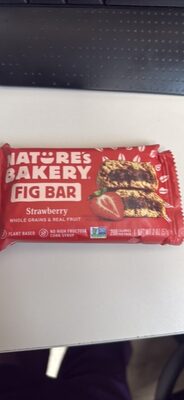 Nature's Bakery LLC
Fig Bar, Strawberry
393kcal
3.6Protein
8.9Fat
71.4Carbs
Nature's Bakery LLC
Stone Ground Whole Wheat Fig Bar, Mango
393kcal
7.1Protein
8.9Fat
71.4Carbs
Nature's Bakery LLC
Fig Bar, Strawberry
393kcal
3.6Protein
8.9Fat
71.4Carbs
Nature's Bakery LLC
Stone Ground Whole Wheat Fig Bar, Mango
393kcal
7.1Protein
8.9Fat
71.4Carbs
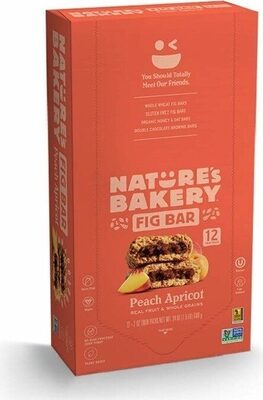 Nature's Bakery LLC
Fig Bar, Peach Apricot
393kcal
3.6Protein
8.9Fat
71.4Carbs
Nature's Bakery LLC
Fig Bar
393kcal
3.6Protein
8.9Fat
71.4Carbs
Nature's Bakery LLC
Fig Bar, Apple Cinnamon
393kcal
3.6Protein
8.9Fat
71.4Carbs
Nature's Bakery LLC
Stone Ground Whole Wheat Fig Bar, Pumpkin Spice
393kcal
7.1Protein
8.9Fat
71.4Carbs
Nature's Bakery LLC
Stone Ground Whole Wheat Fig Bar, Strawberry
393kcal
7.1Protein
8.9Fat
71.4Carbs
Nature's Bakery LLC
Fig Bar, Peach Apricot
393kcal
3.6Protein
8.9Fat
71.4Carbs
Nature's Bakery LLC
Fig Bar
393kcal
3.6Protein
8.9Fat
71.4Carbs
Nature's Bakery LLC
Fig Bar, Apple Cinnamon
393kcal
3.6Protein
8.9Fat
71.4Carbs
Nature's Bakery LLC
Stone Ground Whole Wheat Fig Bar, Pumpkin Spice
393kcal
7.1Protein
8.9Fat
71.4Carbs
Nature's Bakery LLC
Stone Ground Whole Wheat Fig Bar, Strawberry
393kcal
7.1Protein
8.9Fat
71.4Carbs
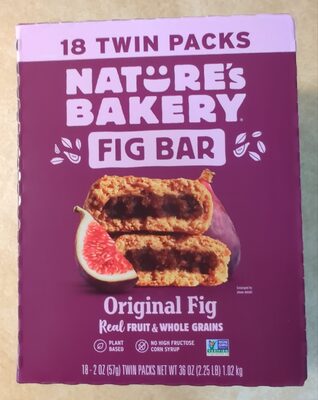 Nature's Bakery LLC
Stone Ground Whole Wheat Fig Bar, Fig
321kcal
7.1Protein
8.9Fat
60.7Carbs
Nature's Bakery LLC
Stone Ground Whole Wheat Fig Bar, Fig
321kcal
7.1Protein
8.9Fat
60.7Carbs
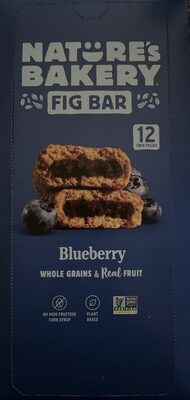 Nature's Bakery LLC
Fig Bar, Blueberry
393kcal
3.6Protein
8.9Fat
71.4Carbs
Nature's Bakery LLC
Stone Ground Whole Wheat Fig Bar, Pumpkin Spice
393kcal
7.1Protein
8.9Fat
71.4Carbs
Nature's Bakery LLC
Stone Ground Whole Wheat Fig Bar, Mango
321kcal
7.1Protein
8.9Fat
60.7Carbs
Nature's Bakery LLC
Fig Bar, Blueberry
393kcal
3.6Protein
8.9Fat
71.4Carbs
Nature's Bakery LLC
Stone Ground Whole Wheat Fig Bar, Pumpkin Spice
393kcal
7.1Protein
8.9Fat
71.4Carbs
Nature's Bakery LLC
Stone Ground Whole Wheat Fig Bar, Mango
321kcal
7.1Protein
8.9Fat
60.7Carbs
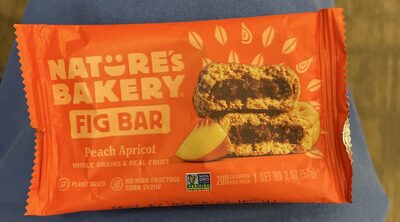 Nature's Bakery LLC
Fig Bar, Peach Apricot
393kcal
3.6Protein
8.9Fat
71.4Carbs
Nature's Bakery LLC
Fig Bar, Peach Apricot
393kcal
3.6Protein
8.9Fat
71.4Carbs