Anchovy Fillets
What is Anchovy Fillets?
Anchovy fillets are small, oily fish, typically from the family Engraulidae. They are usually preserved by salting and then packed in oil, brine, or tomato sauce. The process involves cleaning, curing, and filleting the fish.
Is Anchovy Fillets vegan?
No. Anchovy Fillets is animal-derived, so it is not vegan.
Is Anchovy Fillets a major allergen?
Anchovies are a fish, which is one of the 9 FDA major allergens.
What is Anchovy Fillets used for?
Anchovy fillets are primarily used to add a strong, savory, umami flavor to dishes.
Is Anchovy Fillets safe?
Anchovy fillets are a natural food ingredient and are not subject to FDA additive regulations.
Why it's used
Anchovy fillets are primarily used to add a strong, savory, umami flavor to dishes. They are common in sauces like Worcestershire sauce, salad dressings, and as a topping for pizzas and in pasta dishes. Their intense flavor means a small amount can significantly impact the taste of food.
Health notes
Anchovy fillets are a natural food ingredient and are not subject to FDA additive regulations. They are a good source of protein, omega-3 fatty acids, and vitamin D. JECFA has evaluated anchovies as a food source and did not set a numeric limit. As with any food, moderation is key, especially for individuals managing sodium intake due to the salt used in preservation.
Allergen info
Anchovies are a fish, which is one of the 9 FDA major allergens. People with fish allergies should avoid them.
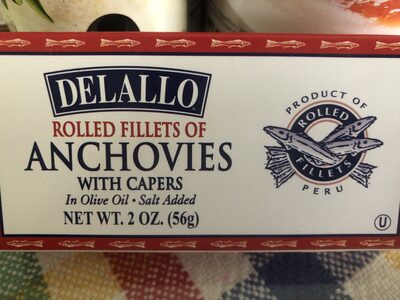
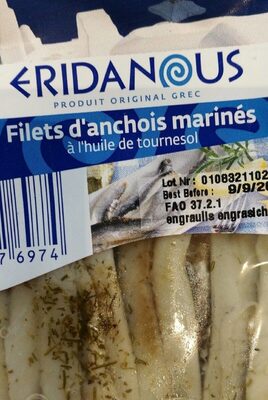
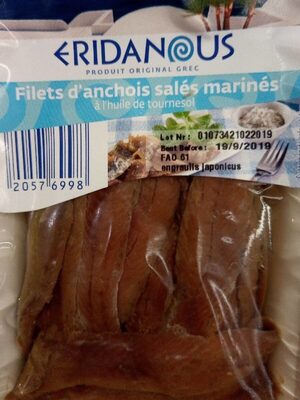
Foods that contain Anchovy Fillets
Compare products →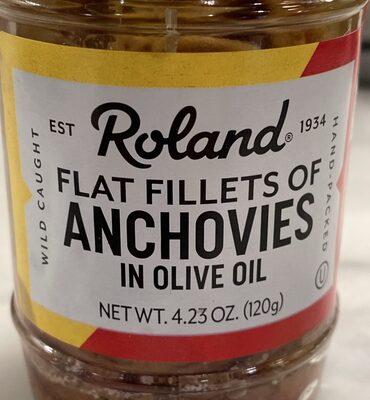
Learn more
Auto-generated content. This description was generated automatically and is pending editorial review. Inaccuracies are possible. Found a mistake? Contact us.