And Citric Acid As Preservatives
What is And Citric Acid As Preservatives?
Citric acid is a weak organic acid found naturally in citrus fruits like lemons and limes. It is commercially produced through the fermentation of carbohydrates, typically using a mold called Aspergillus niger. This process yields a pure, crystalline acid that is widely used in the food industry.
Is And Citric Acid As Preservatives vegan?
And Citric Acid As Preservatives is not animal-derived. Products that contain it can still include other animal-derived ingredients, so check the full ingredient list.
Is And Citric Acid As Preservatives gluten-free?
Citric acid is not derived from any of the 9 FDA major allergens and does not contain gluten.
What is And Citric Acid As Preservatives used for?
Citric acid is primarily used as a preservative and flavoring agent.
Is And Citric Acid As Preservatives safe?
In the United States, citric acid is generally recognized as safe (GRAS) by the FDA when used as a food additive.
Why it's used
Citric acid is primarily used as a preservative and flavoring agent. It adds a tart, sour taste to foods and beverages and also acts as an antioxidant to prevent spoilage. It is commonly found in candies, jams, jellies, soft drinks, and canned fruits and vegetables.
Health notes
In the United States, citric acid is generally recognized as safe (GRAS) by the FDA when used as a food additive. It is a common component of the human diet and is metabolized through normal body processes. International bodies like JECFA and EFSA have evaluated citric acid and found it to be safe for consumption. No significant health concerns are associated with its typical intake levels in food.
Allergen info
Citric acid is not derived from any of the 9 FDA major allergens and does not contain gluten. Not a major allergen.
Foods that contain And Citric Acid As Preservatives
Compare products →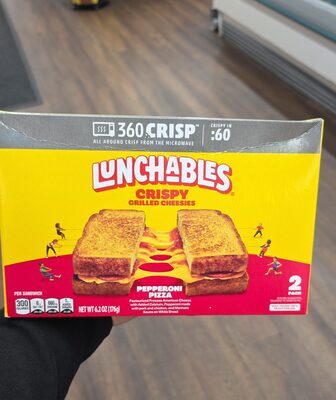 Kraft Heinz Foods Company
Pepperoni Pizza Pasteurized Process American Cheese With Added Calcium, Pepperoni Made With Pork And Chicken, And Marinara Sauce On White Bread Crispy Grilled Cheesies, Pepperoni Pizza
High in sodium — 58% DV per serving
High in saturated fat — 55% DV per serving
341kcal
10.8Protein
19.9Fat
28.4Carbs
Kraft Heinz Foods Company
Stove Top Everyday Stuffing Mix
393kcal
14.3Protein
3.6Fat
75Carbs
Kraft Heinz Foods Company
Chicken With Real Chicken Broth Stuffing Mix, Chicken
393kcal
14.3Protein
3.6Fat
75Carbs
Walgreens Co.
Nice!, Popcorn, Cheddar Cheese, Cheddar Cheese
536kcal
7.1Protein
39.3Fat
46.4Carbs
Brimhall Foods Co. Inc.
Premium Popcorn, Butter
567kcal
6.7Protein
43.3Fat
43.3Carbs
Cookies United, LLC
Chocolate Chip Cookies
500kcal
6.2Protein
28.1Fat
62.5Carbs
Sodamate Inc.
Kraft, Stuffing Mix
High in sodium — 20% DV per serving
393kcal
14.3Protein
3.6Fat
75Carbs
Brimhall Foods Co. Inc.
Movie Theater Butter Premium Popcorn, Movie Theater Butter
567kcal
6.7Protein
43.3Fat
43.3Carbs
Kraft Heinz Foods Company
Pepperoni Pizza Pasteurized Process American Cheese With Added Calcium, Pepperoni Made With Pork And Chicken, And Marinara Sauce On White Bread Crispy Grilled Cheesies, Pepperoni Pizza
High in sodium — 58% DV per serving
High in saturated fat — 55% DV per serving
341kcal
10.8Protein
19.9Fat
28.4Carbs
Kraft Heinz Foods Company
Stove Top Everyday Stuffing Mix
393kcal
14.3Protein
3.6Fat
75Carbs
Kraft Heinz Foods Company
Chicken With Real Chicken Broth Stuffing Mix, Chicken
393kcal
14.3Protein
3.6Fat
75Carbs
Walgreens Co.
Nice!, Popcorn, Cheddar Cheese, Cheddar Cheese
536kcal
7.1Protein
39.3Fat
46.4Carbs
Brimhall Foods Co. Inc.
Premium Popcorn, Butter
567kcal
6.7Protein
43.3Fat
43.3Carbs
Cookies United, LLC
Chocolate Chip Cookies
500kcal
6.2Protein
28.1Fat
62.5Carbs
Sodamate Inc.
Kraft, Stuffing Mix
High in sodium — 20% DV per serving
393kcal
14.3Protein
3.6Fat
75Carbs
Brimhall Foods Co. Inc.
Movie Theater Butter Premium Popcorn, Movie Theater Butter
567kcal
6.7Protein
43.3Fat
43.3Carbs
Auto-generated content. This description was generated automatically and is pending editorial review. Inaccuracies are possible. Found a mistake? Contact us.