And FD&C Red #3
This entry is a label phrase. See the main ingredient page: FD&C Red #3.
What is And FD&C Red #3?
FD&C Red #3, also known as Erythrosine, is a synthetic red color additive. It is an organic compound that is manufactured chemically to provide a bright cherry-red hue.
Is And FD&C Red #3 vegan?
And FD&C Red #3 is not animal-derived. Products that contain it can still include other animal-derived ingredients, so check the full ingredient list.
Is And FD&C Red #3 a major allergen?
Not a major allergen.
What is And FD&C Red #3 used for?
Manufacturers add FD&C Red #3 to food products to impart a red color.
Is And FD&C Red #3 safe?
FD&C Red #3 is an FDA-approved color additive.
Why it's used
Manufacturers add FD&C Red #3 to food products to impart a red color. It is often found in items like chips, bacon, strawberry-flavored drinks, and other processed foods where a specific red shade is desired.
Health notes
FD&C Red #3 is an FDA-approved color additive. However, the FDA revoked its approval for food use in January 2025, with manufacturers having until January 2027 to comply. This revocation was based on the Delaney Clause, as it was found to cause cancer in male rats, though the FDA stated this finding is not relevant to human risk. California's Food Safety Act (AB 418) also bans Red 3 in food starting in 2027. JECFA has evaluated it and set an acceptable daily intake, and EFSA has also evaluated it and set an acceptable daily intake.
Allergen info
Not a major allergen.
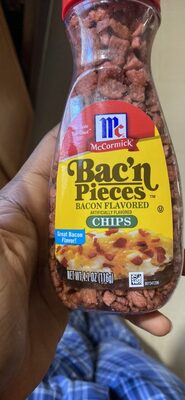
Foods that contain And FD&C Red #3
Compare products →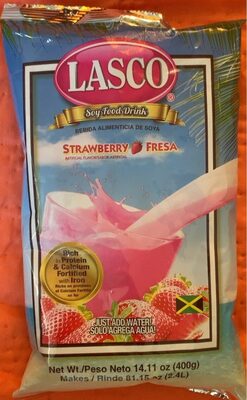
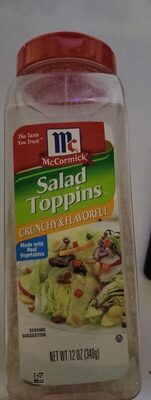
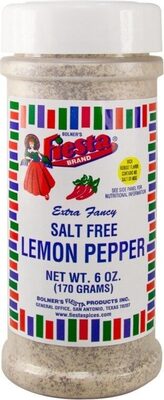
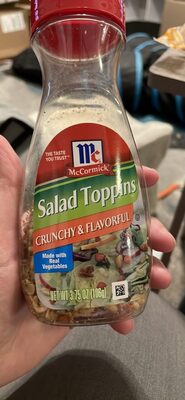
Learn more
Auto-generated content. This description was generated automatically and is pending editorial review. Inaccuracies are possible. Found a mistake? Contact us.