And Koji Spores
This entry is a label phrase. See the main ingredient page: Koji Spores.
What is And Koji Spores?
Koji spores are the reproductive cells of the fungus Aspergillus oryzae. This fungus is cultivated on grains like rice or soybeans and is essential for fermenting foods like soy sauce, miso, and sake. The spores are used to inoculate the grains, starting the fermentation process.
Is And Koji Spores vegan?
And Koji Spores is not animal-derived. Products that contain it can still include other animal-derived ingredients, so check the full ingredient list.
Is And Koji Spores a major allergen?
Koji spores themselves are not a major allergen.
What is And Koji Spores used for?
Koji spores are primarily used as a starter culture in fermentation, giving fermented foods their characteristic umami flavor and aroma.
Is And Koji Spores safe?
Aspergillus oryzae is Generally Recognized As Safe (GRAS) by the FDA for use in food production.
Why it's used
Koji spores are primarily used as a starter culture in fermentation, giving fermented foods their characteristic umami flavor and aroma. They act as enzymes that break down starches and proteins into sugars and amino acids. Koji is most commonly found in Asian fermented products such as miso, soy sauce, sake, and some types of pickles.
Health notes
Aspergillus oryzae is Generally Recognized As Safe (GRAS) by the FDA for use in food production. It is widely used in traditional fermented foods consumed globally. International bodies like JECFA have evaluated related fermentation processes and ingredients, but specific evaluations for 'koji spores' as a direct food additive are not as commonly cited as for the final fermented products. The fermentation process can produce beneficial compounds, and fermented foods are often associated with gut health, though research is ongoing.
Allergen info
Koji spores themselves are not a major allergen. However, they are often grown on grains like soy or wheat, which are major allergens. Consumers with allergies to soy or wheat should check the specific product ingredients.
Foods that contain And Koji Spores
Compare products →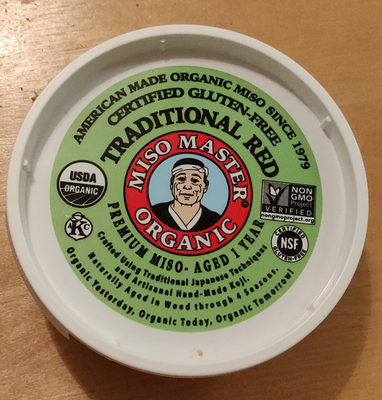
Auto-generated content. This description was generated automatically and is pending editorial review. Inaccuracies are possible. Found a mistake? Contact us.