Koji Spores
What is Koji Spores?
Koji spores are the reproductive cells of a fungus, typically *Aspergillus oryzae*. This fungus is cultivated on grains like rice or soybeans, where it grows and produces enzymes. These enzymes are key to breaking down starches and proteins, which is essential for fermenting foods.
Is Koji Spores vegan?
Koji Spores is not animal-derived. Products that contain it can still include other animal-derived ingredients, so check the full ingredient list.
Is Koji Spores a major allergen?
Koji itself is a fungus and not one of the nine major allergens.
What is Koji Spores used for?
Koji spores are used as a starter culture in fermentation, primarily to produce enzymes that break down starches and proteins.
Is Koji Spores safe?
Koji is generally recognized as safe (GRAS) by the FDA for use in food.
Why it's used
Koji spores are used as a starter culture in fermentation, primarily to produce enzymes that break down starches and proteins. This process develops unique flavors and textures in foods like soy sauce, miso, sake, and some vinegars. Manufacturers use it to enhance savory (umami) flavors and tenderize meats.
Health notes
Koji is generally recognized as safe (GRAS) by the FDA for use in food. The enzymes produced by *Aspergillus oryzae* are involved in breaking down complex molecules into simpler ones, which can aid digestion. International bodies like JECFA have evaluated *Aspergillus oryzae* and its enzymes, but no specific numeric limits are typically set for its use as a fermentation culture. Evidence does not suggest adverse health effects from consuming foods fermented with koji at typical levels.
Allergen info
Koji itself is a fungus and not one of the nine major allergens. However, it is often grown on grains like soy or wheat, which are major allergens. Consumers with allergies to soy or wheat should check product labels for the base ingredient used for koji cultivation.
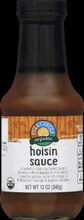
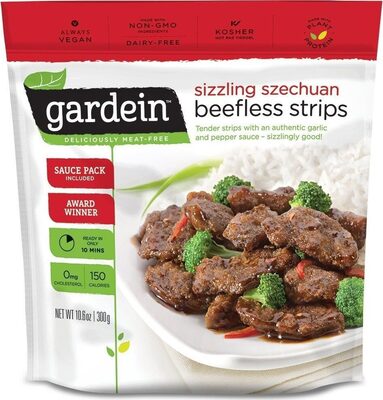
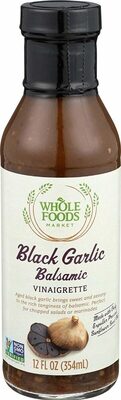
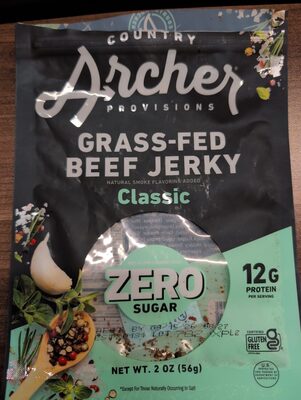
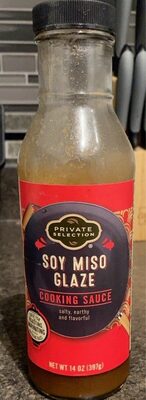
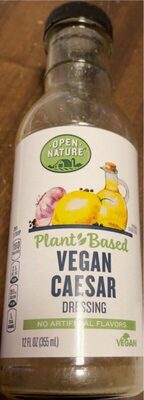
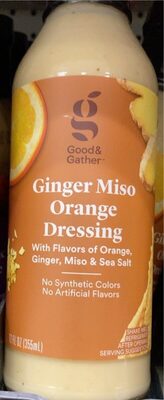
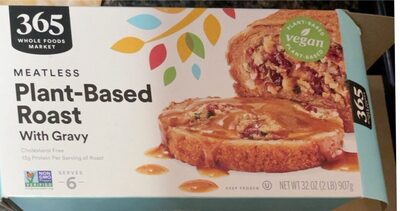
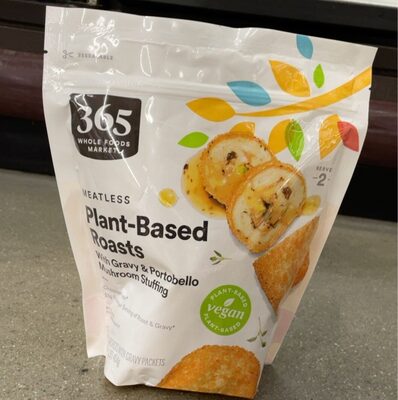
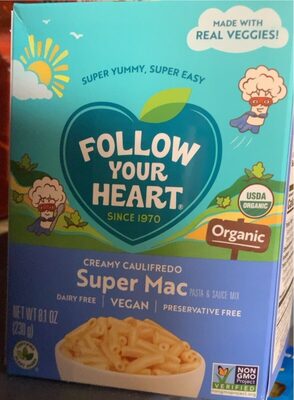
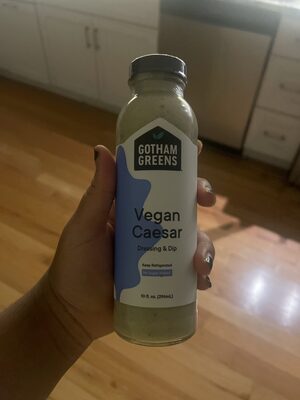
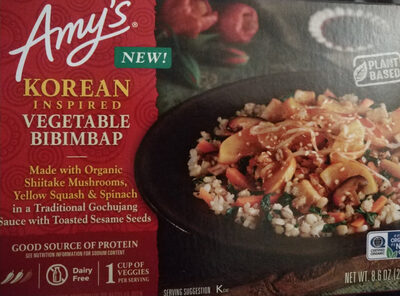
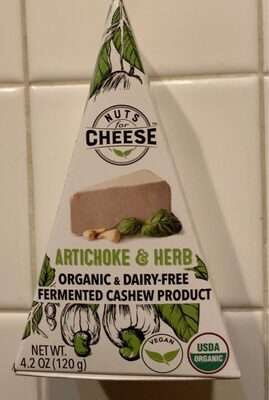
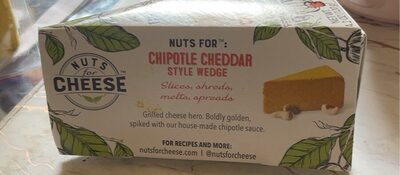
Foods that contain Koji Spores
Compare products →




Auto-generated content. This description was generated automatically and is pending editorial review. Inaccuracies are possible. Found a mistake? Contact us.