And Less Than 1.5% Of Lactose
What is And Less Than 1.5% Of Lactose?
Lactose is a sugar found naturally in milk. It is composed of one molecule of glucose and one molecule of galactose. It is typically produced commercially by separating it from whey, a byproduct of cheese making.
Is And Less Than 1.5% Of Lactose vegan?
No. And Less Than 1.5% Of Lactose is animal-derived, so it is not vegan.
Is And Less Than 1.5% Of Lactose gluten-free?
It does not contain gluten.
Is And Less Than 1.5% Of Lactose a major allergen?
Lactose is derived from milk, which is one of the 9 FDA major allergens.
What is And Less Than 1.5% Of Lactose used for?
Lactose is used as a sweetener, bulking agent, and carrier for flavors and colors in foods.
Is And Less Than 1.5% Of Lactose safe?
Lactose is Generally Recognized As Safe (GRAS) by the FDA when used as a food ingredient.
Why it's used
Lactose is used as a sweetener, bulking agent, and carrier for flavors and colors in foods. It is often found in confectionery, baked goods, and powdered drink mixes.
Health notes
Lactose is Generally Recognized As Safe (GRAS) by the FDA when used as a food ingredient. It is a common cause of lactose intolerance, a digestive issue where the body has difficulty breaking down lactose. Regulatory bodies like JECFA and EFSA have evaluated lactose. Evidence on potential health benefits of lactose consumption is mixed.
Allergen info
Lactose is derived from milk, which is one of the 9 FDA major allergens. It does not contain gluten.
Foods that contain And Less Than 1.5% Of Lactose
Compare products →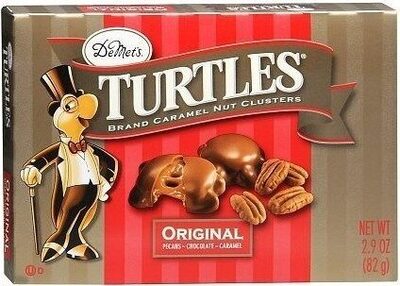
Learn more
Auto-generated content. This description was generated automatically and is pending editorial review. Inaccuracies are possible. Found a mistake? Contact us.