And Potassium Chloride
This entry is a label phrase. See the main ingredient page: Potassium Chloride.
What is And Potassium Chloride?
Potassium chloride is a mineral compound that is chemically similar to sodium chloride (table salt). It occurs naturally in minerals like sylvite and carnallite and can also be produced synthetically. It is often used as a salt substitute.
Is And Potassium Chloride vegan?
And Potassium Chloride is not animal-derived. Products that contain it can still include other animal-derived ingredients, so check the full ingredient list.
Is And Potassium Chloride a major allergen?
Not a major allergen.
What is And Potassium Chloride used for?
Manufacturers use potassium chloride as a salt substitute to reduce sodium content in foods.
Is And Potassium Chloride safe?
Potassium chloride is generally recognized as safe (GRAS) by the FDA for use in food.
Why it's used
Manufacturers use potassium chloride as a salt substitute to reduce sodium content in foods. It is also used as a flavor enhancer and a nutrient supplement. It can be found in low-sodium processed foods, seasonings, and baked goods.
Health notes
Potassium chloride is generally recognized as safe (GRAS) by the FDA for use in food. It provides potassium, an essential nutrient. The Joint FAO/WHO Expert Committee on Food Additives (JECFA) has evaluated potassium chloride. While generally safe, high intake can cause gastrointestinal upset in some individuals. People with kidney disease or those taking certain medications should consult a doctor before consuming large amounts.
Allergen info
Not a major allergen. It is not derived from any of the nine FDA major allergens.
Foods that contain And Potassium Chloride
Compare products →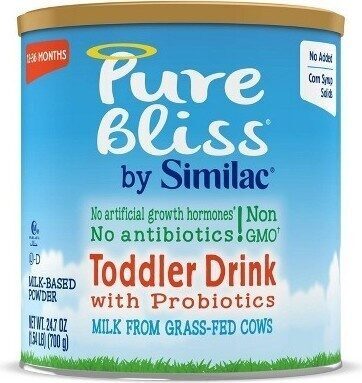
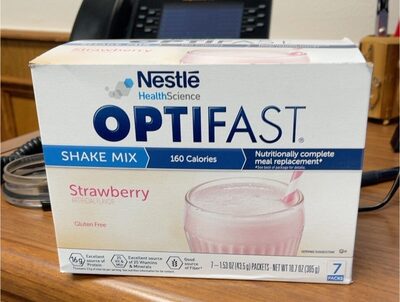
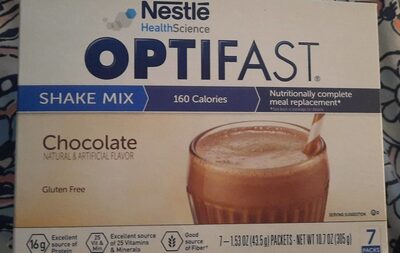
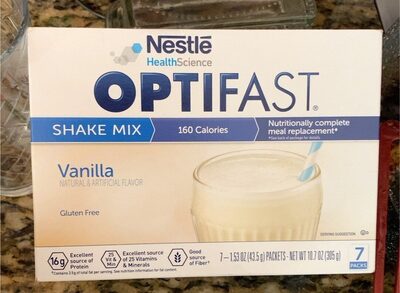
Learn more
Auto-generated content. This description was generated automatically and is pending editorial review. Inaccuracies are possible. Found a mistake? Contact us.