And Powdered Sugar
Auto-generated content. This description was generated automatically and is pending editorial review. Inaccuracies are possible. Found a mistake? Contact us.
What it is
Powdered sugar, also known as confectioners' sugar or icing sugar, is a finely ground form of granulated sugar. It often contains a small amount of an anti-caking agent, such as cornstarch, to prevent clumping.
Why it's used
Manufacturers add powdered sugar primarily as a sweetener and to create a smooth texture in frostings, glazes, and baked goods. Its fine consistency allows it to dissolve quickly and evenly, making it ideal for dusting on desserts.
Health notes
Powdered sugar is generally recognized as safe (GRAS) by the U.S. Food and Drug Administration (FDA). The 2025-2030 Dietary Guidelines for Americans recommend no amount of added sugars and suggest consuming at most 10 grams of added sugars per meal. The World Health Organization (WHO) advises limiting free sugars to less than 10% of total daily energy intake. As a common food ingredient, its consumption is generally discussed in the context of overall dietary guidelines rather than specific additive evaluations by bodies like JECFA or EFSA.
Allergen info
Powdered sugar itself is not a major allergen. If cornstarch is used as an anti-caking agent, it is also not a major allergen.
Products containing And Powdered Sugar
Compare products →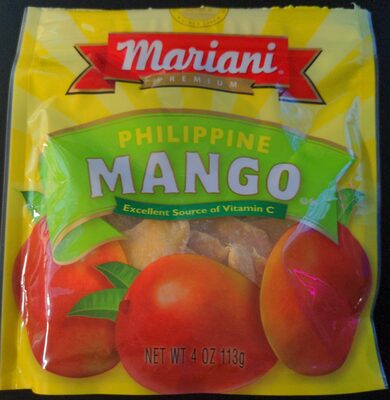 Mariani Packing Company
Philippine Mango
High in added sugars — 42% DV per serving
350kcal
2.5Protein
0Fat
85Carbs
Mariani Packing Company
Philippine Mango
High in added sugars — 42% DV per serving
350kcal
2.5Protein
0Fat
85Carbs