And Preserved With Vitamin E To Maintain Freshness
Auto-generated content. This description was generated automatically and is pending editorial review. Inaccuracies are possible. Found a mistake? Contact us.
What it is
Vitamin E is a fat-soluble nutrient that occurs naturally in many foods. It is often added to foods as an antioxidant to prevent fats and oils from becoming rancid, which helps maintain freshness and extend shelf life. It is typically synthesized for use as a food additive.
Why it's used
Vitamin E is added to foods as an antioxidant to protect fats and oils from oxidation, which can cause spoilage and off-flavors. This helps to maintain the quality and freshness of products, especially those containing fats and oils. It is commonly found in processed foods like cereals, snack bars, and baked goods.
Health notes
Vitamin E is generally recognized as safe (GRAS) by the FDA when used as a nutrient or preservative. It is an essential nutrient for humans, playing a role in immune function and cell protection. International bodies like JECFA have evaluated vitamin E and set acceptable daily intakes. At typical dietary intake levels, it is considered safe and beneficial.
Allergen info
Vitamin E itself is not one of the 9 FDA major allergens. However, it can sometimes be derived from soy or wheat, which are major allergens. Consumers concerned about allergens should check product labels for specific sourcing information.
Products containing And Preserved With Vitamin E To Maintain Freshness
Compare products →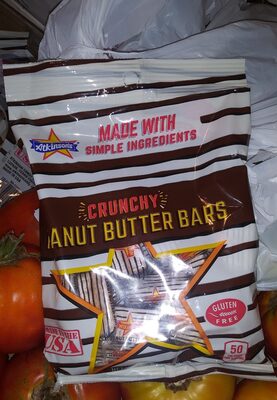 Atkinson Candy Company
Atkinson's, Crunchy Peanut Butter Bars
385kcal
7.7Protein
11.5Fat
84.6Carbs
Atkinson Candy Company
Ghosts Nuggets
412kcal
5.9Protein
14.7Fat
70.6Carbs
Atkinson Candy Company
Crunchy Peanut Butter And Toasted Coconut Candy, Crunchy Peanut Butter And Toasted Coconut
412kcal
5.9Protein
14.7Fat
70.6Carbs
Atkinson Candy Company
Real Molasses And Peanut Butter Candy, Real Molasses And Peanut Butter
High in added sugars — 26% DV per serving
414kcal
0Protein
10.3Fat
75.9Carbs
Atkinson Candy Company
Candy With Real Molasses And Peanut Butter
High in added sugars — 36% DV per serving
410kcal
2.6Protein
11.5Fat
74.4Carbs
Rite Aid Corporation
Peanut Butters Bars Hard Candy, Peanut Butter
385kcal
7.7Protein
11.5Fat
76.9Carbs
Atkinson Candy Company
Atkinson's, Crunchy Peanut Butter Bars
385kcal
7.7Protein
11.5Fat
84.6Carbs
Atkinson Candy Company
Ghosts Nuggets
412kcal
5.9Protein
14.7Fat
70.6Carbs
Atkinson Candy Company
Crunchy Peanut Butter And Toasted Coconut Candy, Crunchy Peanut Butter And Toasted Coconut
412kcal
5.9Protein
14.7Fat
70.6Carbs
Atkinson Candy Company
Real Molasses And Peanut Butter Candy, Real Molasses And Peanut Butter
High in added sugars — 26% DV per serving
414kcal
0Protein
10.3Fat
75.9Carbs
Atkinson Candy Company
Candy With Real Molasses And Peanut Butter
High in added sugars — 36% DV per serving
410kcal
2.6Protein
11.5Fat
74.4Carbs
Rite Aid Corporation
Peanut Butters Bars Hard Candy, Peanut Butter
385kcal
7.7Protein
11.5Fat
76.9Carbs