Anhydrous Citric Acid
Auto-generated content. This description was generated automatically and is pending editorial review. Inaccuracies are possible. Found a mistake? Contact us.
What it is
Anhydrous citric acid is a white crystalline powder. It is a weak organic acid that occurs naturally in citrus fruits. It is commercially produced by the fermentation of carbohydrate feedstocks, such as corn starch, using specific strains of the mold *Aspergillus niger*.
Why it's used
Manufacturers use anhydrous citric acid primarily as an acidity regulator, flavor enhancer, and preservative. It adds a tart or sour taste to foods and beverages and can help prevent spoilage by inhibiting microbial growth. It is commonly found in fruit juices, candies, jams, jellies, and processed foods.
Health notes
Anhydrous citric acid is generally recognized as safe (GRAS) by the FDA for use in food. It is a common component of the human diet and is metabolized through normal body processes. International bodies like JECFA and EFSA have evaluated citric acid and its salts, and they are considered safe for consumption. Evidence does not suggest adverse health effects from typical dietary intake.
Allergen info
Anhydrous citric acid is not derived from any of the nine major allergens recognized by the FDA, nor does it contain gluten.
Products containing Anhydrous Citric Acid
Compare products →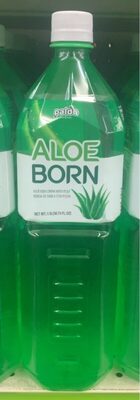 Serendipity 3, Inc.
Drink, Aloe Vera
37kcal
0Protein
0Fat
8.9Carbs
Serendipity 3, Inc.
Drink, Aloe Vera
37kcal
0Protein
0Fat
8.9Carbs
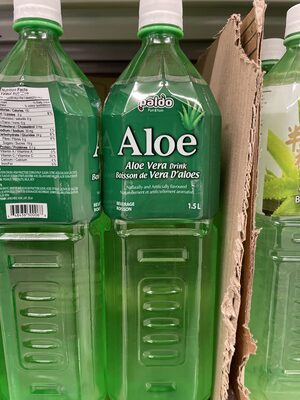 Serendipity 3, Inc.
Aloe Vera Drink
42kcal
0Protein
0Fat
9.4Carbs
Serendipity 3, Inc.
Aloe Vera Drink
42kcal
0Protein
0Fat
9.4Carbs
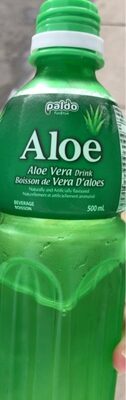 Serendipity 3, Inc.
Aloe Vera Drink
42kcal
0Protein
0Fat
9.4Carbs
Dangold, Inc.
Spice Blend, Ginger Lemon Sriracha
0kcal
0Protein
0Fat
0Carbs
Serendipity 3, Inc.
Aloe Vera Drink
42kcal
0Protein
0Fat
9.4Carbs
Dangold, Inc.
Spice Blend, Ginger Lemon Sriracha
0kcal
0Protein
0Fat
0Carbs
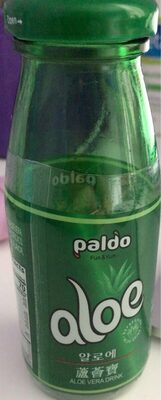 Serendipity 3, Inc.
Paldo, Aloe Vera Drink
44kcal
0Protein
0.1Fat
9.5Carbs
Serendipity 3, Inc.
Paldo, Aloe Vera Drink
44kcal
0Protein
0.1Fat
9.5Carbs
 Serendipity 3, Inc.
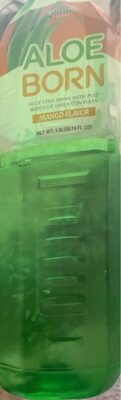
Paldo, Aloe Born Drink, Mango, Mango
39kcal
0Protein
0Fat
10Carbs
Serendipity 3, Inc.
Paldo, Aloe Born Drink, Mango, Mango
39kcal
0Protein
0Fat
10Carbs
 Serendipity 3, Inc.
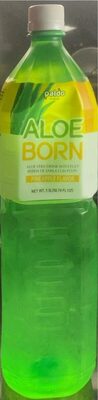
Paldo, Aloe Born Alovera Drink, Pineapple, Pineapple
42kcal
0Protein
0Fat
10.6Carbs
Serendipity 3, Inc.
Paldo, Aloe Born Drink, Guava, Guava
42kcal
0Protein
0Fat
9.4Carbs
Serendipity 3, Inc.
Paldo, Aloe Born Alovera Drink, Pineapple, Pineapple
42kcal
0Protein
0Fat
10.6Carbs
Serendipity 3, Inc.
Paldo, Aloe Born Drink, Guava, Guava
42kcal
0Protein
0Fat
9.4Carbs