Anise Flavor
Auto-generated content. This description was generated automatically and is pending editorial review. Inaccuracies are possible. Found a mistake? Contact us.
What it is
Anise flavor comes from the seeds of the Pimpinella anisum plant, native to the Mediterranean region and Southwest Asia. The seeds have a strong, licorice-like aroma and taste, which is captured and used as a flavoring in foods. This flavor can be derived from the natural seeds or created synthetically.
Why it's used
Anise flavor is primarily used to impart its distinctive licorice taste to a variety of food products. It is commonly found in baked goods like cookies and cakes, as well as in candies, liqueurs, and some savory dishes. Manufacturers use it to add a specific aromatic profile that is popular in many cuisines.
Health notes
Anise is generally recognized as safe (GRAS) by the FDA for use as a food flavoring. The Joint FAO/WHO Expert Committee on Food Additives (JECFA) has evaluated anise and its components. While generally considered safe in amounts typically consumed in food, some individuals may experience allergic reactions. High doses of concentrated anise oil have been associated with digestive upset in some studies.
Allergen info
Anise is not derived from any of the nine FDA major allergens. It does not contain gluten.
Products containing Anise Flavor
Compare products →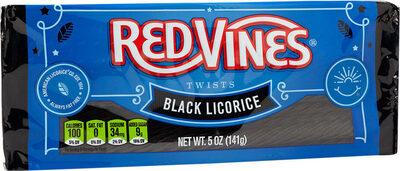 American Licorice Company
Red Vines, Black Licorice Twists
350kcal
2.5Protein
0Fat
82.5Carbs
American Licorice Company
Black Licorice
350kcal
2.5Protein
0Fat
82.5Carbs
Dierberg's Markets, Inc.
Dierbergs Kitchen, Pizzelle Chocolate
473kcal
10Protein
20Fat
63.3Carbs
Dierberg's Markets, Inc.
Dierbergs Kitchen, Pizzelle Anise Cookies
473kcal
10Protein
20Fat
63.3Carbs
American Licorice Company
Black Licorice
350kcal
2.5Protein
0Fat
82.5Carbs
American Licorice Company
Red Vines, Black Licorice Twists
350kcal
2.5Protein
0Fat
82.5Carbs
American Licorice Company
Black Licorice
350kcal
2.5Protein
0Fat
82.5Carbs
Dierberg's Markets, Inc.
Dierbergs Kitchen, Pizzelle Chocolate
473kcal
10Protein
20Fat
63.3Carbs
Dierberg's Markets, Inc.
Dierbergs Kitchen, Pizzelle Anise Cookies
473kcal
10Protein
20Fat
63.3Carbs
American Licorice Company
Black Licorice
350kcal
2.5Protein
0Fat
82.5Carbs
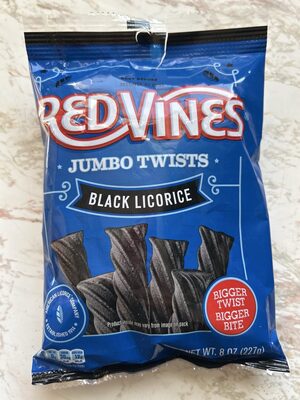 American Licorice Company
Black Licorice Jumbo Twists, Black Licorice
High in added sugars — 24% DV per serving
333kcal
3.3Protein
0Fat
80Carbs
American Licorice Company
Black Licorice Jumbo Twists, Black Licorice
High in added sugars — 24% DV per serving
333kcal
3.3Protein
0Fat
80Carbs