Anti-foaming
What is Anti-foaming?
Anti-foaming agents, also known as defoamers, are substances that prevent or reduce the formation of foam. They are typically made from silicones, oils, or fats, and are often produced through chemical synthesis or extraction from natural sources.
Is Anti-foaming gluten-free?
They do not contain gluten.
Is Anti-foaming a major allergen?
Anti-foaming agents are not derived from any of the nine FDA major allergens.
What is Anti-foaming used for?
Manufacturers add anti-foaming agents to foods to prevent excessive foaming during processing, cooking, or packaging.
Is Anti-foaming safe?
In the U.S., anti-foaming agents like dimethylpolysiloxane are generally recognized as safe (GRAS) by the FDA for use in food.
Why it's used
Manufacturers add anti-foaming agents to foods to prevent excessive foaming during processing, cooking, or packaging. This helps maintain product consistency and appearance. They are commonly found in cooking oils, baked goods, and frozen appetizers.
Health notes
In the U.S., anti-foaming agents like dimethylpolysiloxane are generally recognized as safe (GRAS) by the FDA for use in food. International bodies such as JECFA have also evaluated these substances. At typical consumption levels, they are not associated with adverse health effects. Evidence does not suggest significant health concerns at approved levels.
Allergen info
Anti-foaming agents are not derived from any of the nine FDA major allergens. They do not contain gluten.
Foods that contain Anti-foaming
Compare products →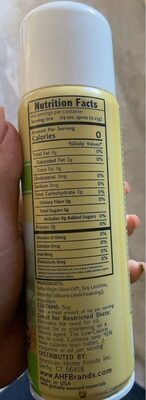
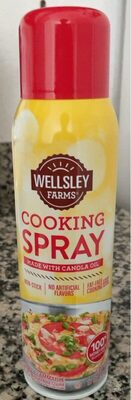
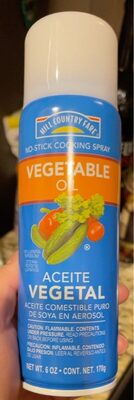
Auto-generated content. This description was generated automatically and is pending editorial review. Inaccuracies are possible. Found a mistake? Contact us.