Dimethyl Silicone
What is Dimethyl Silicone?
Dimethyl silicone is a synthetic, clear, odorless liquid polymer made from silicon, oxygen, carbon, and hydrogen. It is a type of silicone oil. It is manufactured through a chemical process involving silicon and various organic compounds.
Is Dimethyl Silicone vegan?
Dimethyl Silicone is not animal-derived. Products that contain it can still include other animal-derived ingredients, so check the full ingredient list.
Is Dimethyl Silicone gluten-free?
It does not contain gluten.
Is Dimethyl Silicone a major allergen?
Dimethyl silicone is not derived from any of the nine FDA major allergens.
What is Dimethyl Silicone used for?
Manufacturers add dimethyl silicone to foods as an anti-foaming agent.
Is Dimethyl Silicone safe?
Dimethyl silicone is generally recognized as safe (GRAS) by the FDA for use as an anti-foaming agent in food.
Why it's used
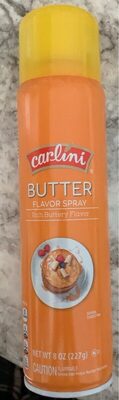
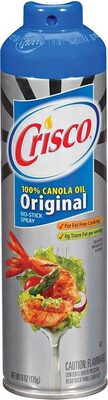
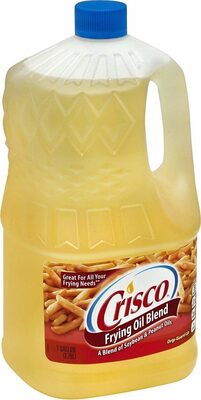
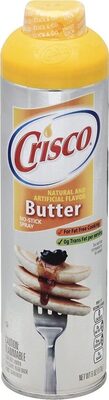
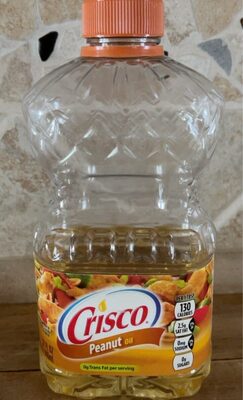
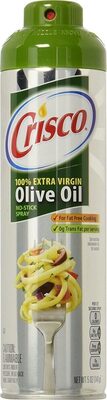
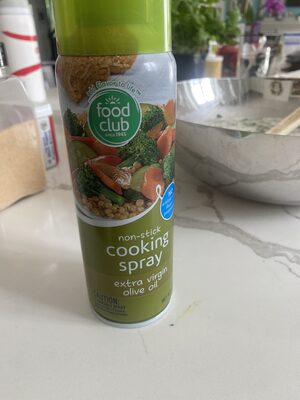
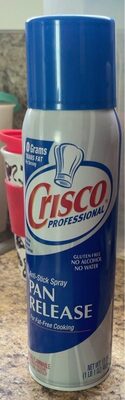
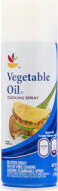
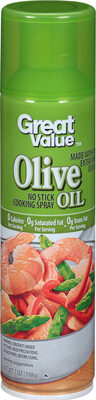
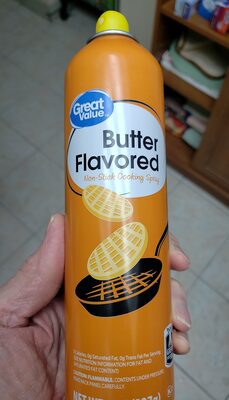
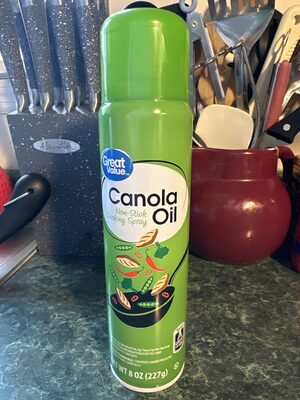
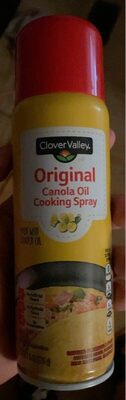
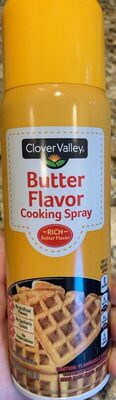
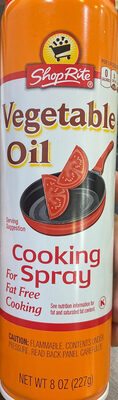
Manufacturers add dimethyl silicone to foods as an anti-foaming agent. It prevents liquids from bubbling up and overflowing during cooking or processing. It is commonly found in cooking sprays, vegetable oils, and other processed foods where foaming can be an issue.
Health notes
Dimethyl silicone is generally recognized as safe (GRAS) by the FDA for use as an anti-foaming agent in food. Regulatory bodies like the Joint FAO/WHO Expert Committee on Food Additives (JECFA) have evaluated it. Studies on its safety at typical dietary levels have not raised significant concerns.
Allergen info
Dimethyl silicone is not derived from any of the nine FDA major allergens. It does not contain gluten.
Foods that contain Dimethyl Silicone
Compare products →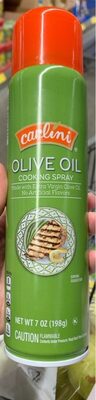
Auto-generated content. This description was generated automatically and is pending editorial review. Inaccuracies are possible. Found a mistake? Contact us.