Antifoam
What is Antifoam?
Antifoam agents are substances that prevent or reduce foaming during food processing. They are typically made from silicone compounds, such as polydimethylsiloxane (PDMS), or mineral oils. These compounds are generally considered inert and are used in very small amounts.
Is Antifoam vegan?
Antifoam is not animal-derived. Products that contain it can still include other animal-derived ingredients, so check the full ingredient list.
Is Antifoam gluten-free?
They do not contain gluten.
Is Antifoam a major allergen?
Antifoam agents are not derived from any of the nine major allergens recognized by the FDA.
What is Antifoam used for?
Antifoams are added to foods to prevent excessive foam from forming during cooking, boiling, or other processing methods.
Is Antifoam safe?
In the U.S., antifoam agents like simethicone are generally recognized as safe (GRAS) by the FDA for use in food.
Why it's used
Antifoams are added to foods to prevent excessive foam from forming during cooking, boiling, or other processing methods. This helps maintain product consistency and prevents overflow in manufacturing equipment. They are commonly found in jams, jellies, fruit spreads, and some candies.
Health notes
In the U.S., antifoam agents like simethicone are generally recognized as safe (GRAS) by the FDA for use in food. International bodies like JECFA have also evaluated some antifoams. At the very low levels used in food processing, they are not expected to have significant health effects. There are no widespread controversies regarding their use in food.
Allergen info
Antifoam agents are not derived from any of the nine major allergens recognized by the FDA. They do not contain gluten.
Foods that contain Antifoam
Compare products →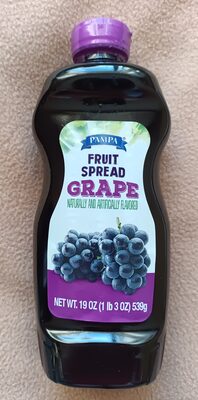
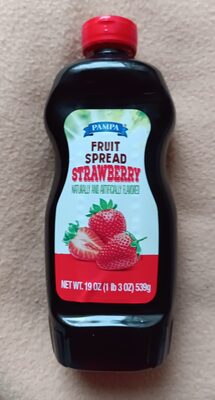
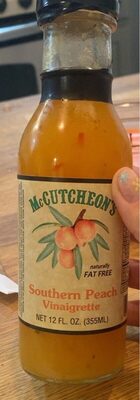
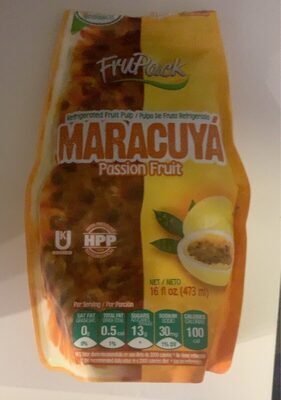
Auto-generated content. This description was generated automatically and is pending editorial review. Inaccuracies are possible. Found a mistake? Contact us.