Antioxidant BHT
What is Antioxidant BHT?
Butylated hydroxytoluene (BHT) is a synthetic antioxidant. It is made from petroleum-based chemicals through a multi-step chemical process.
Is Antioxidant BHT vegan?
Antioxidant BHT is not animal-derived. Products that contain it can still include other animal-derived ingredients, so check the full ingredient list.
Is Antioxidant BHT gluten-free?
It does not contain gluten.
Is Antioxidant BHT a major allergen?
BHT is a synthetic chemical and is not derived from any of the nine FDA major allergens.
What is Antioxidant BHT used for?
BHT is added to foods to prevent fats and oils from becoming rancid, which helps extend shelf life.
Is Antioxidant BHT safe?
In the U.S., BHT is approved as a food additive and is generally recognized as safe (GRAS) by the FDA for specific uses.
Why it's used
BHT is added to foods to prevent fats and oils from becoming rancid, which helps extend shelf life. It is commonly found in cereals, snack foods, baked goods, and chewing gum.
Health notes
In the U.S., BHT is approved as a food additive and is generally recognized as safe (GRAS) by the FDA for specific uses. International bodies like JECFA and EFSA have evaluated BHT and established acceptable daily intake levels. While some studies have raised questions about potential health effects at very high doses, research on its impact at typical dietary levels has yielded mixed results.
Allergen info
BHT is a synthetic chemical and is not derived from any of the nine FDA major allergens. It does not contain gluten.
Foods that contain Antioxidant BHT
Compare products →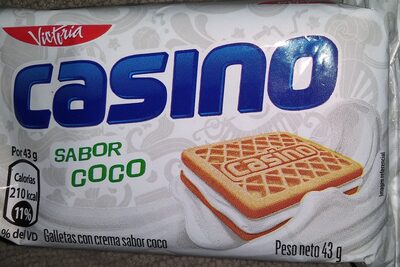
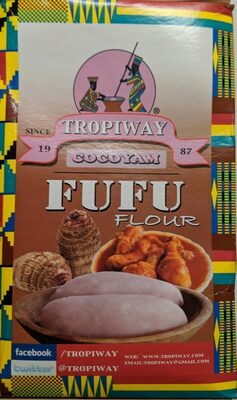
Learn more
Auto-generated content. This description was generated automatically and is pending editorial review. Inaccuracies are possible. Found a mistake? Contact us.