Antioxidant Vitamin A
Auto-generated content. This description was generated automatically and is pending editorial review. Inaccuracies are possible. Found a mistake? Contact us.
What it is
Vitamin A is a fat-soluble vitamin essential for vision, immune function, and cell growth. It is found naturally in foods like liver, fish oils, eggs, and dairy products, and also in fruits and vegetables as beta-carotene. Synthetic Vitamin A is often produced through chemical processes.
Why it's used
Manufacturers add Vitamin A to foods as a nutrient supplement, particularly in products like cereals, dairy alternatives, and baked goods. It helps fortify foods to meet daily dietary recommendations for this essential vitamin.
Health notes
Vitamin A is a crucial nutrient for human health. The US FDA recognizes Vitamin A as generally safe and essential. Regulatory bodies like JECFA and EFSA have evaluated Vitamin A and established guidelines for its intake. Excessive intake of preformed Vitamin A can be toxic, while deficiency can lead to vision problems and impaired immunity.
Allergen info
Vitamin A itself is not a major allergen. However, some food sources of Vitamin A, like dairy or eggs, are major allergens. It does not contain gluten.
Products containing Antioxidant Vitamin A
Compare products →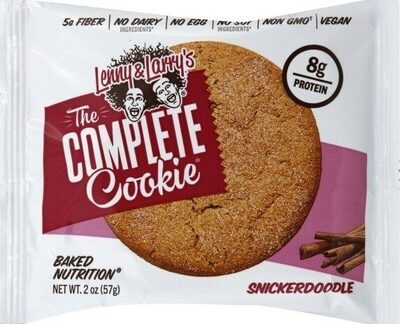 Lenny & Larry's
Snickerdoodle Baked Nutrition Cookie, Snickerdoodle
351kcal
14.0Protein
12.3Fat
50.9Carbs
Lenny & Larry's
Snickerdoodle Baked Nutrition Cookie, Snickerdoodle
351kcal
14.0Protein
12.3Fat
50.9Carbs
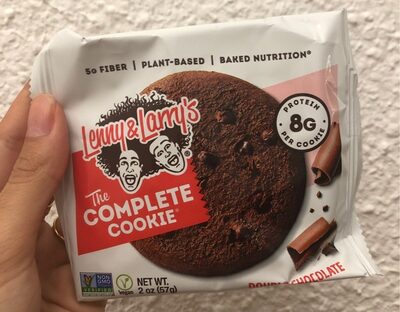 Lenny & Larry's
Double Chocolate Baked Nutrition Cookie, Double Chocolate
High in saturated fat — 20% DV per serving
351kcal
14.0Protein
12.3Fat
54.4Carbs
Lenny & Larry's
Double Chocolate Baked Nutrition Cookie, Double Chocolate
High in saturated fat — 20% DV per serving
351kcal
14.0Protein
12.3Fat
54.4Carbs
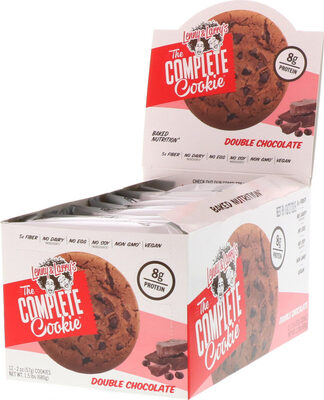 Lenny & Larry's
Double Chocolate Cookies, Double Chocolate
High in saturated fat — 20% DV per serving
351kcal
14.0Protein
12.3Fat
54.4Carbs
Lenny & Larry's
Birthday Cake Cookies, Birthday Cake
351kcal
14.0Protein
8.8Fat
56.1Carbs
Lenny & Larry's
Double Chocolate Cookies, Double Chocolate
High in saturated fat — 20% DV per serving
351kcal
14.0Protein
12.3Fat
54.4Carbs
Lenny & Larry's
Birthday Cake Cookies, Birthday Cake
351kcal
14.0Protein
8.8Fat
56.1Carbs
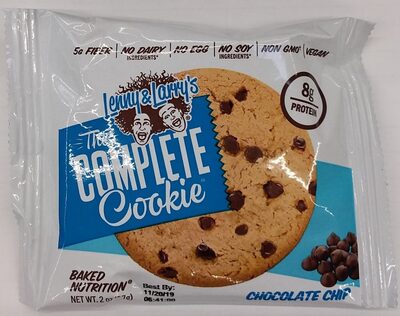 Lenny & Larry's
Chocolate Chip Baked Nutrition Cookie, Chocolate Chip
High in saturated fat — 20% DV per serving
351kcal
14.0Protein
14.0Fat
57.9Carbs
Lenny & Larry's
Chocolate Chip Baked Nutrition Cookie, Chocolate Chip
High in saturated fat — 20% DV per serving
351kcal
14.0Protein
14.0Fat
57.9Carbs
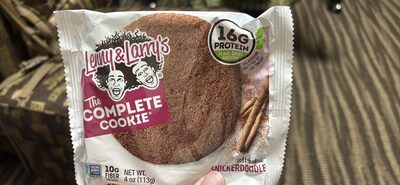 Lenny & Larry's
Snickerdoodle The Complete Cookie, Snickerdoodle
351kcal
14.0Protein
12.3Fat
50.9Carbs
Lenny & Larry's
Snickerdoodle The Complete Cookie, Snickerdoodle
351kcal
14.0Protein
12.3Fat
50.9Carbs