Argentine Red Shrimp
What is Argentine Red Shrimp?
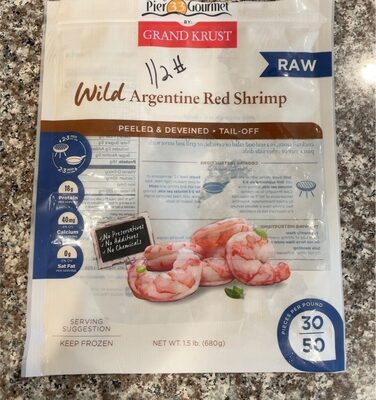
Argentine red shrimp (Pleoticus muelleri) are a species of shrimp found in the southwestern Atlantic Ocean, primarily off the coast of Argentina. They are typically wild-caught and processed for commercial sale, often being peeled, deveined, and flash-frozen.
Is Argentine Red Shrimp vegan?
No. Argentine Red Shrimp is animal-derived, so it is not vegan.
Is Argentine Red Shrimp a major allergen?
Shrimp are classified as shellfish, which is one of the 9 major food allergens recognized by the FDA.
What is Argentine Red Shrimp used for?
Shrimp are a source of protein and are consumed as a seafood delicacy.
Is Argentine Red Shrimp safe?
Shrimp are a natural food product and are not typically subject to the same regulatory evaluations as food additives.
Why it's used
Shrimp are a source of protein and are consumed as a seafood delicacy. In packaged foods, they are often found in frozen meals, appetizers, and seafood mixes, providing a distinct flavor and texture.
Health notes
Shrimp are a natural food product and are not typically subject to the same regulatory evaluations as food additives. They are a source of protein, vitamins, and minerals. As a shellfish, they are a known allergen for some individuals. The FDA does not set specific upper intake levels for shrimp consumption.
Allergen info
Shrimp are classified as shellfish, which is one of the 9 major food allergens recognized by the FDA. People with shellfish allergies should avoid consuming shrimp.
Foods that contain Argentine Red Shrimp
Compare products →
Learn more
Auto-generated content. This description was generated automatically and is pending editorial review. Inaccuracies are possible. Found a mistake? Contact us.