Artichoke Pieces
Auto-generated content. This description was generated automatically and is pending editorial review. Inaccuracies are possible. Found a mistake? Contact us.
What it is
Artichoke pieces are derived from the flower bud of the artichoke plant (Cynara cardunculus var. scolymus), a thistle native to the Mediterranean region. The edible portion is the fleshy base of the bracts and the heart. They are typically prepared by trimming, cooking (often steaming or boiling), and sometimes marinating or packing in oil or brine.
Why it's used
Artichoke pieces are used to add a distinct, slightly nutty and earthy flavor and a tender texture to foods. They are commonly found in dips, spreads, pasta dishes, pizzas, salads, and as a side dish. Their unique flavor profile makes them a popular ingredient in Mediterranean-inspired cuisine.
Health notes
Artichoke pieces are generally recognized as safe (GRAS) by the FDA when used as a food ingredient. They are a source of fiber and various nutrients. International bodies like JECFA and EFSA have evaluated artichokes and their components, but specific regulatory limits for typical food use are not usually set for whole vegetables. Research suggests potential benefits related to digestion and heart health, but more studies are needed to confirm these effects in humans at typical consumption levels.
Allergen info
Artichoke pieces are not derived from any of the nine FDA major allergens. They do not contain gluten.
Products containing Artichoke Pieces
Compare products →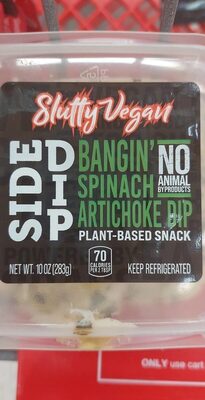 Slutty Vegan
Bangin' Spinach Artichoke Side Dip Plant-Based Snack, Bangin' Spinach Artichoke
233kcal
0Protein
20Fat
10Carbs
Slutty Vegan
Bangin' Spinach Artichoke Side Dip Plant-Based Snack, Bangin' Spinach Artichoke
233kcal
0Protein
20Fat
10Carbs
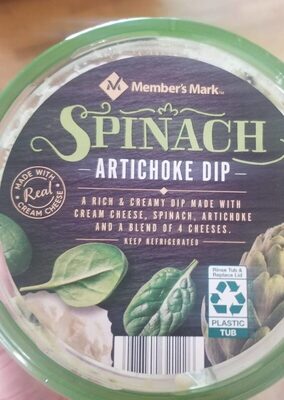 Wal-Mart Stores, Inc.
Spinach Artichoke Dip, Spinach
267kcal
6.7Protein
23.3Fat
6.7Carbs
Cedarlane Natural Foods, Inc.
Ranchero Tofu Scramble, Ranchero Tofu
High in sodium — 25% DV per serving
93kcal
8.8Protein
5.3Fat
3.5Carbs
Duke Sandwich Productions, Inc.
Spinach Artichoke Dip
High in saturated fat — 20% DV per serving
270kcal
5.4Protein
24.3Fat
8.1Carbs
Delhaize America, Inc.
Spinach & Artichoke Cheese Dip
150kcal
6.7Protein
10Fat
6.7Carbs
Wal-Mart Stores, Inc.
Spinach Artichoke Dip, Spinach
267kcal
6.7Protein
23.3Fat
6.7Carbs
Cedarlane Natural Foods, Inc.
Ranchero Tofu Scramble, Ranchero Tofu
High in sodium — 25% DV per serving
93kcal
8.8Protein
5.3Fat
3.5Carbs
Duke Sandwich Productions, Inc.
Spinach Artichoke Dip
High in saturated fat — 20% DV per serving
270kcal
5.4Protein
24.3Fat
8.1Carbs
Delhaize America, Inc.
Spinach & Artichoke Cheese Dip
150kcal
6.7Protein
10Fat
6.7Carbs