Artificial Butter Flavors
Auto-generated content. This description was generated automatically and is pending editorial review. Inaccuracies are possible. Found a mistake? Contact us.
What it is
Artificial butter flavor is a blend of chemical compounds that mimic the taste and aroma of real butter. These compounds can be synthesized in a lab or derived from natural sources, such as plants or animals, and then chemically altered. The goal is to replicate the rich, creamy notes of butter without using actual butter.
Why it's used
Manufacturers use artificial butter flavor to add a buttery taste to foods where using real butter might be impractical or too expensive. It is commonly found in baked goods like cookies and cakes, as well as in popcorn, margarine, and some dairy-free products. Its function is to enhance or impart a desirable flavor.
Health notes
Artificial butter flavors are generally recognized as safe (GRAS) by the FDA when used as intended. Regulatory bodies like JECFA and EFSA have evaluated many flavoring substances, and these are typically approved for use. At the levels found in food, they are not associated with adverse health effects for most people. Some individual flavoring compounds have undergone extensive safety testing.
Allergen info
Artificial butter flavors are not typically derived from major allergens like milk, eggs, or soy. However, it is always wise to check the ingredient list for specific products, as some flavorings might be produced in facilities that also handle allergens.
Products containing Artificial Butter Flavors
Compare products →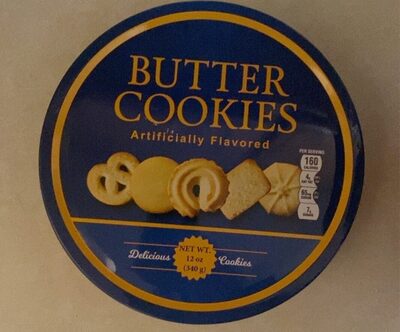 Save Mart Supermarkets Inc.
Butter Cookies, Butter
High in saturated fat — 20% DV per serving
516kcal
6.5Protein
22.6Fat
67.7Carbs
Save Mart Supermarkets Inc.
Butter Cookies, Butter
High in saturated fat — 20% DV per serving
516kcal
6.5Protein
22.6Fat
67.7Carbs
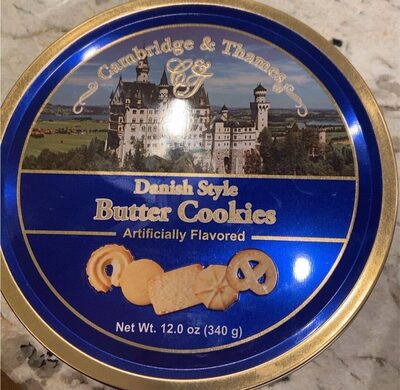 Allied International Corp. Of Va
Danish Style Butter Cookies, Danish Style Butter
516kcal
6.5Protein
22.6Fat
67.7Carbs
Allied International Corp. Of Va
Danish Style Butter Cookies, Danish Style Butter
516kcal
6.5Protein
22.6Fat
67.7Carbs
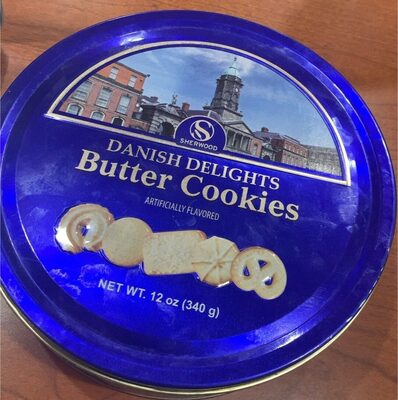 Midwood Distributors Inc.
Butter Cookies, Butter
High in saturated fat — 20% DV per serving
516kcal
6.5Protein
22.6Fat
67.7Carbs
Midwood Distributors Inc.
Butter Cookies, Butter
High in saturated fat — 20% DV per serving
516kcal
6.5Protein
22.6Fat
67.7Carbs
Midwood Distributors Inc.
Butter Cookies, Butter
High in saturated fat — 20% DV per serving
516kcal
6.5Protein
22.6Fat
67.7Carbs
Midwood Distributors Inc.
Butter Cookies, Butter
High in saturated fat — 20% DV per serving
516kcal
6.5Protein
22.6Fat
67.7Carbs