Artificial Vanilla Flavor
Auto-generated content. This description was generated automatically and is pending editorial review. Inaccuracies are possible. Found a mistake? Contact us.
What it is
Artificial vanilla flavor is a man-made substance designed to mimic the taste of natural vanilla extract. It is typically synthesized from chemicals like vanillin, which can be derived from sources such as wood pulp or petroleum, or produced through chemical reactions.
Why it's used
Manufacturers use artificial vanilla flavor to provide a consistent and cost-effective vanilla taste in a wide range of products. It is frequently found in baked goods like cookies and cakes, as well as ice cream, candies, and beverages.
Health notes
Artificial vanilla flavor is generally recognized as safe (GRAS) by the FDA for use in food. Regulatory bodies like JECFA and EFSA have evaluated similar flavoring substances. While generally considered safe at typical consumption levels, some individuals may have sensitivities. Research into the long-term effects of consuming synthetic flavorings is ongoing.
Allergen info
Artificial vanilla flavor is not derived from any of the nine FDA major allergens and does not contain gluten.
Products containing Artificial Vanilla Flavor
Compare products →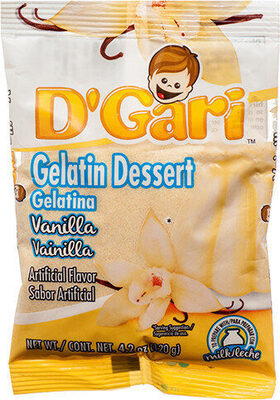 D'GARI
Gelatin Dessert
High in added sugars — 22% DV per serving
385kcal
15.4Protein
0Fat
84.6Carbs
AVENUE
Vanilla Ice Cream, Vanilla
High in saturated fat — 22% DV per serving
200kcal
3.1Protein
10.8Fat
24.6Carbs
D'GARI
Gelatin Dessert
High in added sugars — 22% DV per serving
385kcal
15.4Protein
0Fat
84.6Carbs
AVENUE
Vanilla Ice Cream, Vanilla
High in saturated fat — 22% DV per serving
200kcal
3.1Protein
10.8Fat
24.6Carbs
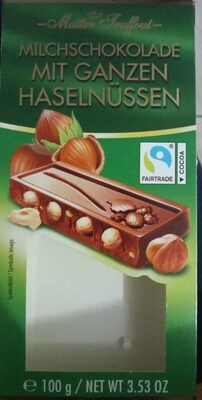 MAITRE TRUFFOUT
Milk Chocolate With Whole Hazelnuts, Milk Chocolate
539kcal
6.0Protein
35.9Fat
47.9Carbs
AVENUE
Cookies & Cream Ice Cream, Cookies & Cream
High in saturated fat — 22% DV per serving
215kcal
3.1Protein
10.8Fat
29.2Carbs
MAITRE TRUFFOUT
Milk Chocolate With Whole Hazelnuts, Milk Chocolate
539kcal
6.0Protein
35.9Fat
47.9Carbs
AVENUE
Cookies & Cream Ice Cream, Cookies & Cream
High in saturated fat — 22% DV per serving
215kcal
3.1Protein
10.8Fat
29.2Carbs