Artificial Flavor - Vanilla
Auto-generated content. This description was generated automatically and is pending editorial review. Inaccuracies are possible. Found a mistake? Contact us.
What it is
Artificial vanilla flavor is a manufactured substance designed to mimic the taste and aroma of natural vanilla extract. It is typically made from synthetic compounds like vanillin, which is the primary flavor component of vanilla beans, along with other flavor chemicals.
Why it's used
Manufacturers use artificial vanilla flavor to impart a sweet, creamy vanilla taste to a wide range of food products. It is a cost-effective alternative to natural vanilla extract and is commonly found in baked goods like cookies, cakes, and pastries, as well as candies and ice cream.
Health notes
Artificial flavors are regulated by the FDA and are generally recognized as safe (GRAS) when used as intended. The FDA has evaluated many artificial flavors, including those used to create vanilla profiles. International bodies like JECFA have also evaluated flavorings. At typical consumption levels, artificial vanilla flavor is not associated with adverse health effects for most people. While some studies have explored the effects of individual flavor compounds, the overall evidence for adverse effects from artificial flavors at normal intake levels is considered mixed.
Allergen info
Artificial vanilla flavor is not derived from any of the nine FDA major allergens and does not contain gluten.
Products containing Artificial Flavor - Vanilla
Compare products →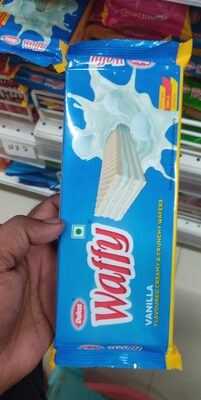 DUKES
Waffy Crispy 'N' Creamy Wafers
500kcal
3.3Protein
23.3Fat
70Carbs
European Confections Inc.
Strawberry Cheesecake Cookies, Strawberry Cheesecake
High in saturated fat — 20% DV per serving
480kcal
8Protein
24Fat
60Carbs
Original Gourmet Food Company Inc.
Vanilla Marshmallow Kabob Sticks, Vanilla
High in added sugars — 46% DV per serving
356kcal
2.2Protein
0Fat
86.7Carbs
Dom's Bakery
Mini Cup Cake
464kcal
3.6Protein
25Fat
57.1Carbs
Dom's Bakery
Chocolate Danish
379kcal
6.9Protein
13.8Fat
58.6Carbs
Gotera, Inc.
Rice Cookie, Rice
400kcal
7.9Protein
15.8Fat
55.3Carbs
GS1 Mexico
Peanut Caramel, Peanut
High in added sugars — 38% DV per serving
494kcal
11.1Protein
19.4Fat
66.7Carbs
DUKES
Waffy Crispy 'N' Creamy Wafers
500kcal
3.3Protein
23.3Fat
70Carbs
European Confections Inc.
Strawberry Cheesecake Cookies, Strawberry Cheesecake
High in saturated fat — 20% DV per serving
480kcal
8Protein
24Fat
60Carbs
Original Gourmet Food Company Inc.
Vanilla Marshmallow Kabob Sticks, Vanilla
High in added sugars — 46% DV per serving
356kcal
2.2Protein
0Fat
86.7Carbs
Dom's Bakery
Mini Cup Cake
464kcal
3.6Protein
25Fat
57.1Carbs
Dom's Bakery
Chocolate Danish
379kcal
6.9Protein
13.8Fat
58.6Carbs
Gotera, Inc.
Rice Cookie, Rice
400kcal
7.9Protein
15.8Fat
55.3Carbs
GS1 Mexico
Peanut Caramel, Peanut
High in added sugars — 38% DV per serving
494kcal
11.1Protein
19.4Fat
66.7Carbs
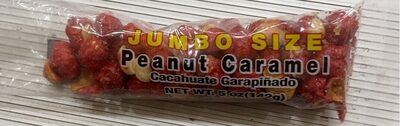 GS1 Mexico
Peanut Caramel, Peanut
High in added sugars — 38% DV per serving
494kcal
—Protein
22.2Fat
66.7Carbs
GS1 Mexico
Coconut Candy
High in saturated fat — 35% DV per serving
500kcal
3.3Protein
26.7Fat
60Carbs
GS1 Mexico
Peanut Caramel, Peanut
High in added sugars — 38% DV per serving
494kcal
—Protein
22.2Fat
66.7Carbs
GS1 Mexico
Coconut Candy
High in saturated fat — 35% DV per serving
500kcal
3.3Protein
26.7Fat
60Carbs